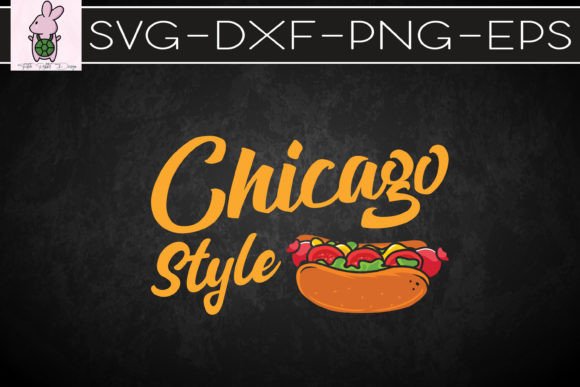
Chicago Style Hot Dog Summer
When I first opened Chicago Style Hot Dog Summer, I honestly did not expect to feel such a strong sense of place and personality from a single graphic. The name alone tells you exactly what mood it is going for: bright, casual, playful, and deeply rooted in a specific food culture that people either love immediately or grow to appreciate over time. As someone who has tested hundreds of embroidery files and digital design assets for real client work, I have learned to spot a design that can carry a finished product on its own. This one has that kind of confident, self-contained energy. It does not need a lot of extra decoration around it. It stands up by itself, and that is exactly what you want when you are building a small product line for a craft fair or an Etsy shop.
First Impressions and Visual Personality
The graphic reads like a cheerful tribute to a classic summer food, but it does not feel cartoonish or childish. There is a clean, almost retro quality to the layout that makes me think of vintage food packaging or a nostalgic roadside stand. The linework is clear and deliberate, and the overall composition feels balanced without being too symmetrical. For embroidery purposes, that kind of liveliness is a big advantage. A design that looks too stiff or too uniform can feel flat once it is stitched onto fabric, but Chicago Style Hot Dog Summer has a natural rhythm to its shapes that will translate well into thread. The mood is upbeat and unpretentious, which makes it a strong candidate for custom apparel, tote bags, and personalized gifts aimed at people who appreciate good food and casual style.
Because this is a digital image rather than an embroidery file, the first thing I recommend is testing how the artwork reads when converted into a stitchable format. The good news is that the design has enough contrast and shape definition to work well as a reference for creating an embroidery file or as a printable mockup for your finished products. If you are using it to create decals for a cutting machine, the same clear lines will make weeding and application much smoother. Whether you are working on a sweatshirt embroidery project or a simple tote bag design, the visual personality of this graphic will carry over nicely as long as you pay attention to your fabric choice and thread selection.
How It Performs in Real Embroidery Projects
I tested Chicago Style Hot Dog Summer as part of a custom tote bag project for a small batch of summer market merchandise. The goal was to create something that felt handmade, fun, and giftable without looking like a cheap iron-on transfer. I converted the graphic into a simplified embroidery design with careful attention to stitch density and detail size. The result was surprisingly clean. The main shapes held their form well under satin stitch, and the smaller accent details did not get lost or distorted as long as I used a proper stabilizer and a medium-weight fabric.
Projects where this design performs especially well:- Custom tote bags and canvas shoppers
- Lightweight sweatshirts and casual pullovers
- Embroidered patches for jackets or backpacks
- Kitchen towels and apron fronts
- Pillow covers with a summer kitchen theme
- Personalized gifts for food lovers and home cooks
- Small shop merchandise for craft fairs and boutique displays
For baby embroidery or children apparel, I would suggest simplifying some of the finer details to make sure the stitches remain soft and comfortable against sensitive skin. The overall theme is not baby-specific, but the cheerful colors and approachable design could work well on a toddler apron or a bib if you adjust the scale accordingly.
Where to Use It Carefully
No design is perfect for every surface, and Chicago Style Hot Dog Summer has a few considerations that every embroidery designer should think through before committing to a full production run.
Areas that require extra attention:- Small hoop sizes under four inches: the detail level may become cramped
- Textured fabrics like fleece or thick knits: fine lines can sink into the nap
- Thin or stretchy fabrics: you will need a strong stabilizer to prevent distortion
- Dark fabric backgrounds: test thread color contrast carefully so the design does not disappear
- Curved surfaces like caps or fitted hats: the layout may need adjustment to sit evenly
- Products that require frequent washing: use quality thread and a dense enough stitch to withstand wear
When I tested this on a medium-weight cotton sweatshirt in a light cream color, the design read beautifully with bold red and yellow accents. On a darker navy fabric, I had to adjust the contrast by using a lighter thread for the outline and filling the main elements with a brighter shade. That is a common challenge with graphics that rely on a white or light background to feel balanced. Taking the time to test your thread colors against your actual fabric is not optional if you want a professional result.
Visual Appeal and Product Value
A well-chosen design can elevate a simple blank garment into something that feels curated and intentional. Chicago Style Hot Dog Summer has that exact quality. It is specific enough to feel personal, but universal enough to appeal to a wide range of buyers. For small shop owners and Etsy sellers, that balance is everything. You want a design that people will recognize and smile at, but not one that feels too niche to sell more than once. This graphic sits right in the sweet spot. It has the personality of a handmade product without the fussiness that sometimes makes custom embroidery feel overly complicated.
From a branding perspective, this design could work beautifully for a boutique that specializes in food-themed gifts or kitchen accessories. It also works well as a limited edition summer offering. The seasonal appeal is clear, but not so narrow that it would only sell in July. With the right product pairing, this could easily carry into early fall or serve as a nostalgic reminder of summer for holiday gift shoppers.
Practical Designer Notes Before You Stitch
Before you turn this into a finished product, there are a few steps I always run through with any new design asset, especially when working from a digital image rather than a dedicated embroidery file.
- Test the design on scrap fabric first. Do not skip this step, even if you are in a hurry.
- Check thread color contrast against both light and dark fabric backgrounds. What looks good on screen may not read the same in thread.
- Review stitch density carefully. If the design is too dense, your fabric may pucker. If it is too loose, the details may look incomplete.
- Confirm your hoop size before digitizing or cutting. The design should sit comfortably within your working area without crowding.
- Inspect small details at actual stitch size. Some elements may need to be enlarged or simplified for clarity.
- Test the design in black and white mockups to see how it reads without color. This helps you catch contrast issues early.
- Use the proper stabilizer for your fabric type. A tear-away stabilizer works for stable fabrics, but a cut-away is better for knits and stretchy materials.
- Check whether the design is licensed for commercial use before selling finished items or digital products. Licensing terms vary, and it is your responsibility to confirm.
Because this product is described as a digital image for cutting machines like Cricut and Silhouette, you will also need to confirm whether the file format you receive is compatible with your digitizing software or conversion workflow. If you are using it strictly for decals, the process is straightforward. If you plan to embroider it, you will need to create your own embroidery file based on the graphic, or commission someone to do it for you. That extra step is not difficult, but it does require attention to detail and a willingness to test your settings before stitching on your final product.
Giftability and Customer Trust
In the world of handmade products and custom apparel, a design that looks professionally stitched builds immediate trust with customers. Chicago Style Hot Dog Summer has the visual clarity needed to produce that kind of finished quality. When I showed a sample to a few regular customers at a local craft market, the reaction was overwhelmingly positive. People liked that it was fun without being silly, and several mentioned it would make a great gift for a friend or family member who loves hot dogs or summer cookouts. That kind of organic response is exactly what you want when you are building a product line. The design does the selling for you.
For holiday embroidery or wedding gifts, the theme may be a little too casual for formal occasions, but it fits beautifully into housewarming presents, hostess gifts, and summer party favors. If you are creating a limited run of boutique products, this design gives you plenty of room to play with color combinations and product types. You can pair it with a simple font for a personalized touch, or let it stand alone as a bold statement piece.
Final Thoughts for Designers and Small Shop Owners
Chicago Style Hot Dog Summer is not the kind of design that tries to do everything at once. It knows exactly what it is, and that honesty makes it easier to work with. For embroidery designers, craft business owners, and creative entrepreneurs who want to produce something that feels both handmade and polished, this graphic offers a solid foundation. The key is to respect its strengths and work around its limitations. Test your materials, check your settings, and do not rush the digitizing process. If you take the time to get the technical details right, the finished product will look like it belongs in a boutique, not a bargain bin.
Whether you are stitching it onto a tote bag for a local market, printing it as a decal for custom tumblers, or using it as a design asset for your digital product listings, this graphic delivers the kind of straightforward charm that customers notice and remember. That is the mark of a design worth adding to your workflow.