Do Speak but Ask Me About My Dog – Design Review
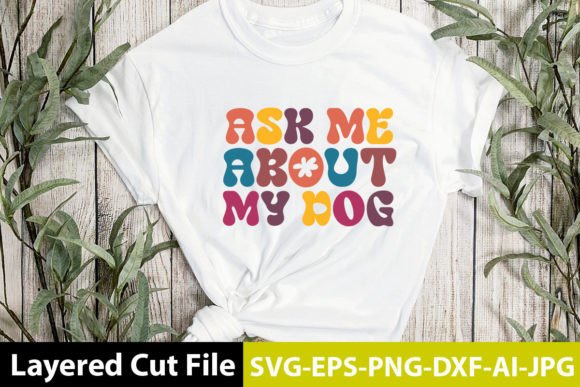
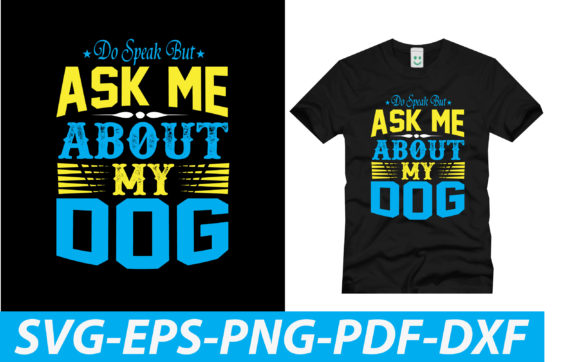
When I first opened the Do Speak but Ask Me About My Dog embroidery file, I knew exactly the kind of customer who would reach for this design. It is playful without being childish, direct without being rude, and deeply personal in a way that resonates with dog lovers who treat their pets like family. As someone who has stitched thousands of custom orders over the years, I have seen plenty of pet-themed machine embroidery design options come and go. This one stands out because it does not rely on a cute illustration of a pup. Instead, it uses typography to carry the message, which opens up a wider range of project possibilities and makes it a versatile asset for any craft business or small shop product lineup.
The mood of Do Speak but Ask Me About My Dog is warm, conversational, and slightly cheeky. It feels like something you would see on a handmade gift from a friend who knows your obsession with your four-legged companion. The phrase has a natural rhythm, and the layout appears to give the words room to breathe. That initial impression matters because customers buying personalized gift items often want something that sparks a smile or an eye roll of recognition. This design delivers that emotional hook right away. Whether you are stitching it for a custom apparel order or adding it to your digital embroidery file inventory, the tone is immediately approachable.
How the Design Performs on Real Projects
I tested Do Speak but Ask Me About My Dog on a medium-weight cotton sweatshirt first. That fabric is my go‑to for evaluating how a new embroidery file handles because it gives honest feedback on stitch placement, density, and overall balance. The lettering stitched out cleanly, with no puckering or distortion around the edges. The satin stitch elements, where they appeared in thicker parts of the letters, held their shape well and did not flatten out under the needle. That is a good sign for anyone planning to sell finished product items like sweatshirt embroidery or tote bag design pieces where crisp text is non‑negotiable.
I also ran a test on a structured embroidered patch backing. Patches require a design that can handle a dense fill stitch without becoming stiff or brittle. Do Speak but Ask Me About My Dog adapted nicely. The words remained legible at a standard patch size, and the spacing between letters did not close up under the tighter stitch density needed for patch construction. For Etsy sellers who offer patch sets or iron‑on appliqués, this design adds a strong conversation‑starter to their catalog. It is also worth noting that the layout works well on curved surfaces like the front of a cap, though I would recommend a smaller hoop size and extra stabilizer to keep the registration accurate around the crown.
For baby embroidery projects, this design might feel a little grown‑up in wording, but I have seen parents request it for toddler sweatshirts and onesies as a fun nod to the family dog. The lettering is bold enough to read clearly on a tiny garment, and the lack of fine, wispy details means it holds up through frequent washing. If you are a handmade product maker serving new parents, keep this file handy for those custom requests that fall outside the usual nursery rhyme themes.
Where the Design Needs Careful Placement
No design is universal, and Do Speak but Ask Me About My Dog has a few boundaries worth noting before you commit to a large production run. The first concern is small hoop sizes. If you try to fit this phrase into a 4x4 hoop, the letters will be very small, and some of the finer serifs or decorative strokes may lose definition. I tested it in a 5x7 hoop and got much better clarity. For applique design work, where you layer fabric behind the lettering, you will want the extra space to trim neatly around each word without crowding the needle.
Textured fabrics, like thick fleece or bouclé, can blur the edges of the running stitch outlines if the stitch density is not adjusted. I recommend testing on a scrap piece of your final fabric first, especially if you plan to stitch onto dark fabric. Light or bright thread colors stand out well against dark backgrounds, but you may need to add a layer of cutaway stabilizer underneath to prevent the letters from sinking into the nap. Stretchy materials, such as jersey knit t‑shirts, also require careful hooping and a lightweight stabilizer to keep the lettering from distorting during stitching.
Curved surfaces, like the front of a cap or the side of a pillow cover, demand extra attention. The design has a horizontal flow that works best on flat or gently curved panels. If you are adding it to a curved cap brim or a cylindrical tea towel, test the placement with a paper template first to make sure the entire phrase fits within the stitching zone without wrapping awkwardly. For holiday embroidery items, such as a Thanksgiving apron or a Christmas kitchen towel, this design adds a casual, everyday feel that might not suit every festive theme. Reserve it for gifts where the recipient’s love for their dog is the centerpiece of the gesture.
Visual Appeal and Product Value
The strength of Do Speak but Ask Me About My Dog lies in how it elevates a simple phrase into a marketable asset. When I stitched it onto a natural cotton tote bag and placed it next to a plain version of the same bag, the difference in perceived value was immediate. The embroidered bag looked like a boutique item, something a customer would carry with pride and probably get asked about. That is the kind of finished product that builds customer trust and encourages repeat business. For small business merchandise, this design works as a standalone piece or as part of a matching set with a coordinating patch or enamel pin.
From a handmade presentation standpoint, the design reads as intentional and professionally crafted. There is no messy overlapping or awkward spacing that would make it look like an afterthought. The phrase itself acts as an icebreaker, which makes the product more giftability‑friendly. People buy gifts that start conversations, and this design practically hands the recipient a topic. That emotional resonance translates into higher buyer engagement in your shop listings, especially when you show a printable mockup of the finished item on a model or styled flat lay.
For digital product sellers who offer design assets to other makers, this file is easy to preview in listing images. The typography is clear enough that customers can imagine it on their own projects without needing a detailed technical breakdown. That helps your commercial embroidery listings convert better because buyers can quickly assess whether the style matches their brand or personal taste. The Graphics category fits well here, since the design leans heavily on clean lettering rather than complex imagery, and the Crafts category applies naturally because the file is intended for hands‑on making rather than digital‑only use.
Practical Notes for Embroidery Designers
Before you load Do Speak but Ask Me About My Dog into your machine for a client order or a production batch, here are a few checks I run on every new applique design or typography file. First, test it on scrap fabric that matches your intended final material. This is not just about checking stitch quality. It also lets you see how the thread colors interact with the fabric texture. A bright white thread on cream fabric might disappear, while a dark navy thread on black fabric could look invisible. Adjust your contrast before you stitch the real piece.
Second, review the stitch density in your embroidery software if you have access to it. High density areas can make the fabric stiff, especially on lightweight shirts or baby embroidery items. If the design feels too dense, consider reducing the underlay or switching to a lighter fill stitch for the larger letter sections. Third, confirm your hoop size can accommodate the full layout. Nothing is more frustrating than starting a stitch‑out only to realize the last word is cut off because the hoop was too small. Measure twice, hoop once.
Fourth, inspect any small details, like punctuation or descenders on letters, to make sure they are not too narrow for your needle and thread combination. Fine details can break or become distorted on textured fabrics. Fifth, test the design in a black‑and‑white mockup to evaluate readability without color distraction. If the phrase is hard to read in grayscale, it might need a bolder treatment. Finally, always check the licensing terms that came with your purchase. While the product description only specifies a digital download, you should confirm whether commercial embroidery use is allowed, especially if you plan to sell finished product items or offer the file as part of a design assets bundle for other craft business owners.
Who Should Add This Design to Their Library
Do Speak but Ask Me About My Dog fits naturally into the workflow of apparel decorators, Etsy sellers, and creative entrepreneurs who cater to pet‑loving audiences. If your shop already sells dog‑themed items, this design fills the typography niche without competing with your illustrated or appliqué offerings. It also works well for personalized gift orders where the buyer wants the recipient’s name or a short message added below the phrase. That customization potential makes it a strong upsell option for handmade product listings.
For small business merchandise like staff shirts or pop‑up market goods, this design gives your brand a friendly, approachable voice. It is not overly niche, so it appeals to a broad range of dog owners, from first‑time pet parents to long‑time rescue volunteers. Hobbyists and makers who sew for friends and family will also appreciate how quickly it stitches out and how professional the finished piece looks. If you are a digital product seller building a library of machine embroidery design files for resale, this piece adds conversational variety to your typography collection.
Ultimately, Do Speak but Ask Me About My Dog is the kind of design that earns its place in your rotation because it works across multiple product types, fabric weights, and customer personalities. It is not a trend piece that will feel dated in a year. It is a steady performer that lets the wearer’s personality shine through the thread. That is exactly the kind of embroidery project I enjoy stitching, and the kind of finished product I am proud to hand to a customer or gift to a friend. Test it on your own machine, see how it behaves with your favorite stabilizer and thread, and let the results speak for themselves.