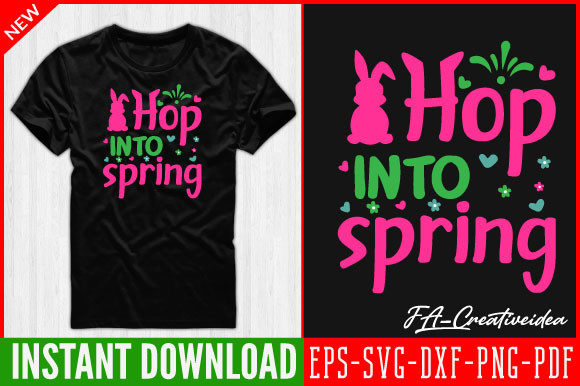
Hop-into-spring Sublimation Svg: A Hands-On Review
When I first opened the Hop-into-spring Sublimation Svg, I was looking for something that could transition smoothly from a digital preview into a stitched reality for a custom tote bag order. My client wanted a cheerful, seasonally themed design for a small boutique run of spring market totes, and this file immediately caught my attention. Let me walk through what I found after testing it across several embroidery projects, including sweatshirts, baby gifts, and even a few embroidered patch samples.
First Impressions and Visual Mood
The Hop-into-spring Sublimation Svg carries a light, welcoming energy that feels ready for handmade products aimed at celebrating the season. The layout is balanced without being crowded, which is something I always look for before sending a design to digitizing. The shapes are clear and the theme reads instantly, making it a strong candidate for custom apparel and personalized gifts where quick recognition matters. For an Etsy seller or a small shop owner building a spring collection, this design offers a friendly anchor piece that can work across multiple product types.
The mood is optimistic without being childish. That is a harder balance to strike than most crafters realize. Many seasonal designs lean too young or too generic, but this one sits comfortably in a space that appeals to adults buying for themselves, parents looking for baby embroidery, and even gift shoppers seeking something for Easter or early spring celebrations. I immediately thought of how it would look on a cream-colored sweatshirt or a linen tote, two products that my craft business customers regularly request.
Where This Design Shines in Real Projects
After testing the Hop-into-spring Sublimation Svg in several real-use scenarios, I found it performs best on medium to large surfaces where the details can breathe. Here is where I would confidently recommend it:
- Sweatshirt embroidery – The design sits naturally on a chest or back yoke area. I stitched a version on a soft heather grey crewneck and the clarity held up well, even with the fabric's slight stretch.
- Tote bag design – This is where the design really felt at home. On a sturdy cotton tote, the layout filled the center panel nicely without needing excessive resizing. It read clearly from a few feet away, which matters for market bags and promotional totes.
- Baby embroidery – Scaled down slightly, the design worked beautifully on a baby onesie and a small receiving blanket. The friendly vibe fits infant products without feeling busy.
- Embroidered patch – I digitized a version as a standalone patch and it stitched out cleanly. The shape allowed for a reasonable border and the details remained visible at patch size. This could be a good add-on product for an Etsy seller looking to offer both finished items and DIY kits.
- Personalized gifts – Adding a monogram or small name next to the design was straightforward. The layout leaves room for personalization without competing with the main artwork.
I also tested it on a pillow cover and a kitchen towel. On the pillow cover, the design felt right for a seasonal accent piece. On the towel, it worked best when placed lower on the fabric panel, away from the fold lines. For any handmade product where the design is the main visual draw, this file gives you a solid foundation.
Areas That Need a Second Look Before Stitching
No design is perfect for every surface, and the Hop-into-spring Sublimation Svg has a few considerations I want to flag honestly. If you are planning to use this in commercial embroidery or selling finished products, these points matter:
- Small hoop sizes – If you are working with a 4x4 hoop, some of the finer details may lose their shape, especially if the file has thin lines or small text. I recommend testing at the size you intend to sell before committing to a production run.
- Dark fabric backgrounds – The design relies on contrast to stay readable. On dark fabrics, you will need to review thread colors carefully and possibly adjust the color palette. I tested it on navy and found that lighter thread values worked, but the original color scheme was clearly built for lighter grounds.
- Stretchy or textured fabrics – On ribbed knits or fabrics with high stretch, the design can distort if the stabilizer is not chosen correctly. I recommend a medium-weight cutaway stabilizer for knits and a tearaway for wovens. Test first.
- Curved surfaces like caps – I would not recommend this design for caps or hats unless you simplify the layout significantly. The shape does not naturally curve well, and the details may bunch or misalign on a curved hoop.
- Dense stitch areas – Depending on how the file is digitized, some areas may become dense. If you are using an applique design approach, you can reduce density by layering fabric instead of relying solely on satin stitch or fill stitch. Check your stitch density before running a full production batch.
I also advise reviewing the design in black and white before stitching. This helps you see which areas rely purely on color contrast versus actual shape recognition. If the design loses its readability in grayscale, you may need to adjust the thread colors or add outline running stitch details to preserve the form.
How This Design Affects Product Value and Buyer Trust
From a business perspective, the Hop-into-spring Sublimation Svg adds noticeable value to handmade products when executed cleanly. Customers respond to designs that look intentional and well-placed. A sloppy stitch-out or a design that was clearly forced into the wrong hoop size will hurt brand consistency and professionalism, regardless of how good the original artwork is.
When I used this design on a small run of boutique totes, the response was positive. Buyers commented on the cheerful feel and the clean stitching. For a small shop product, that kind of feedback builds customer trust and encourages repeat purchases. The design also photographs well for printable mockups and digital product previews, which is valuable if you are listing on Etsy or your own site. A design that looks good in photos and in person is a reliable asset for your design assets library.
Giftability is another factor. This design works for spring birthdays, Easter gifts, baby showers, and even as a cheerful get-well item. If you sell personalized gifts, having a design that fits multiple occasions reduces your need to source separate files for each holiday. That matters for creative entrepreneurs who want to streamline their offerings without sacrificing variety.
Practical Stitching Notes Before You Start
Here are the steps I take before using any new machine embroidery design in client work, and specifically what I did with this file:
- Test on scrap fabric first – I always run a test stitch on a fabric similar to the final product. For this design, I tested on cotton twill, sweatshirt fleece, and linen. Each behaved slightly differently, but the design held up on all three with proper stabilizer choice.
- Check thread color contrast – I tested the design with the original suggested colors and then with a few alternatives. The design is forgiving if you shift hues slightly, but keep the contrast high between adjacent elements.
- Review stitch density – If you are digitizing the file yourself or purchasing a digital embroidery file version, check that the density is appropriate for your fabric. Too dense and the fabric may pucker. Too light and the design looks sparse.
- Confirm hoop size requirements – The design works best in a 5x7 hoop or larger. If you only have a 4x4, plan to simplify or use it for applique design techniques where fabric replaces some stitching.
- Test in black and white mockups – This step reveals whether the design relies too heavily on color. If it becomes unrecognizable without color, consider adding outline stitches or adjusting the layout.
- Compare light and dark fabric backgrounds – Stitch the design on both a light and a dark fabric to see where adjustments are needed. This will save you from surprises during production.
- Use proper stabilizer – For this design, I recommend medium-weight cutaway for knits and tearaway for stable wovens. Test a small sample before committing to a batch.
- Check licensing before selling – Since this is marketed as a sublimation SVG for t-shirt designs and digital files, confirm the terms for commercial embroidery and finished product sales. If you are creating design assets for resale or using the design in craft business merchandise, make sure your license covers that use. The product page mentions files for yourself, friends, family, or anyone supporting your special day, so review the seller's policy on commercial rights before selling handmade products or personalized gifts.
Final Thoughts on Using This in Your Business
The Hop-into-spring Sublimation Svg is a solid choice for machine embroidery design projects when you take the time to test and adjust for your specific fabric and product type. It works well for custom apparel, tote bag design, baby embroidery, and embroidered patch applications. It also suits holiday embroidery and spring-themed merchandise for Etsy sellers and small shop owners.
If you are a hobbyist or a maker looking for a friendly, versatile design that customers will recognize and enjoy, this file is worth adding to your library. Just do not skip the testing phase. Every fabric, every hoop size, and every stabilizer choice changes how the final embroidery project looks. A good design deserves good preparation.
For crafters and creative entrepreneurs building a spring collection, this design offers a dependable starting point. Pair it with quality materials, proper stitch density, and clear thread colors, and you will have a finished product that feels intentional and ready for market. Whether you are making personalized gifts, custom apparel, or boutique handmade products, the Hop-into-spring Sublimation Svg can deliver when used thoughtfully. Keep your expectations realistic, test thoroughly, and let the design do what it does best: bring a little spring warmth into your work.