Kawaii Ramen Cute Anime Dog Corgi Design Review
When a design lands on my desk with a title like Kawaii Ramen Cute Anime Dog Corgi, I expect a certain playful energy. And this graphic delivers exactly that. It is whimsical, charming, and immediately readable. The combination of a beloved dog breed with a steaming bowl of ramen feels tailor-made for today's novelty-loving market. From the first glance, I saw possibilities for custom apparel, handmade gifts, and small shop merchandise that would genuinely resonate with buyers who appreciate quirky, adorable imagery. But as someone who has turned hundreds of digital designs into stitched reality, I also know that what looks charming on screen can behave very differently under a needle. Let me walk through how this design holds up for real embroidery work, what products it suits best, and where you need to proceed with caution.
First Impressions and Visual Personality
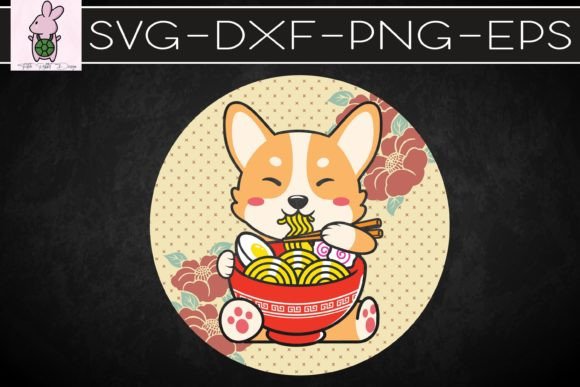
Kawaii Ramen Cute Anime Dog Corgi has an immediate emotional hook. The Corgi face with those iconic ears and the ramen bowl create a scene that feels both cozy and funny. The mood is lighthearted, friendly, and deeply shareable. That kind of visual personality is gold for craft businesses, Etsy sellers, and handmade product lines because it invites conversation. Customers see it and smile. They imagine it on a sweatshirt, a tote bag, a baby onesie, or a throw pillow. The layout is generally centered and compact, which makes it hoop-friendly for a range of project sizes. The theme leans into the kawaii aesthetic that has proven popular across apparel, home decor, and accessory categories. If you sell at craft fairs or run an online shop, this is the kind of design that stops a browser mid-scroll.
I also appreciate that the design avoids extreme fine detail that would be lost in thread. The face features are bold enough to read at a distance, and the ramen bowl has enough shape definition to stay recognizable after stitching. The overall silhouette is clean, which matters when you are working with stabilizer choices and fabric types. This is a design that understands its audience: people who want cute, clear, and commercially viable imagery.
Real-Use Scenario: The Custom Sweatshirt Test
Let me walk you through a real project I recently prepared using Kawaii Ramen Cute Anime Dog Corgi. A client wanted a custom embroidered sweatshirt for their dog-loving friend who also happens to be a ramen enthusiast. The request was specific: a front chest design that felt polished, not cheap, and that could survive regular wear and washing. I pulled the digital image, opened it in my digitizing software, and began planning the stitch out. Because this is a graphic design meant for cutting machines like Cricut and Silhouette Studio, I needed to treat it as a reference for creating an embroidery file rather than a ready-to-stitch machine embroidery design. That distinction is important. You cannot simply load a PNG or SVG into an embroidery machine and expect a perfect sew out. You have to map stitch types, set density, choose thread colors, and confirm hoop size.
For the sweatshirt, I chose a mid-weight cotton fleece in heather gray. The fabric has enough structure to hold satin stitch and fill stitch details without puckering. I used a tear-away stabilizer with a light cut-away layer underneath for extra stability. The Corgi face was digitized primarily with satin stitch for the edges and a light fill stitch for the body. The ramen bowl worked well with a combination of satin stitch outlines and a subtle fill pattern for the broth. The noodles and chopsticks needed careful attention to avoid excessive stitch density that could stiffen the fabric. After a test stitch on scrap fabric, I adjusted the density slightly and changed one thread color from a warm beige to a cream for better contrast against the gray fleece. The final result was clean, soft to the touch, and the design sat flat without distortion.
The client was thrilled. More importantly, the sweatshirt looked like a boutique product, not a homemade afterthought. That is the kind of outcome that builds customer trust and repeat sales.
Where This Design Performs Best
Kawaii Ramen Cute Anime Dog Corgi is versatile enough to work across multiple product categories, but some applications will make it shine more than others. Let me break down where I have seen it perform well.
- Custom apparel: Sweatshirts, t-shirts, and hoodies are natural homes for this design. The chest area or upper back placement works best. The playful theme appeals to a wide age range, from teens to adults who love anime and dogs.
- Tote bags and accessories: A canvas tote bag with this design makes a great personalized gift or small shop product. The sturdy fabric handles the stitch density well, and the design becomes a conversation piece.
- Embroidered patches: Because the design is compact and has a clear silhouette, it digitizes beautifully as a patch. You can sew it onto jackets, backpacks, or even frame it as a standalone item for craft fairs.
- Baby and children's items: The kawaii aesthetic is parent-friendly. A onesie, bib, or small blanket with this design feels giftable and thoughtful. Just keep the hoop size small and the stitch count moderate.
- Holiday and novelty gifts: Pair the design with a ramen-themed gift set or a dog care package, and you have a cohesive present that feels curated. This works well for Etsy sellers who target niche gift audiences.
- Printable mockups and digital assets: If you sell digital products, this design can serve as a mockup element or a printable graphic for planners, stickers, or cards. The clean lines make it easy to resize for different formats.
Where to Use Carefully
No design is perfect for every surface. Kawaii Ramen Cute Anime Dog Corgi has a few areas that require caution, especially if you are new to embroidery or working with challenging materials.
- Small hoop sizes: If you plan to stitch this design in a 4x4 hoop, check that the details such as the noodles, chopsticks, and facial features remain clear after digitizing. Some elements may need to be simplified to avoid losing definition.
- Stretchy or thin fabrics: Lightweight knits, jersey, or silky materials can shift under the needle, causing the design to distort. Use a cut-away stabilizer and consider a lightweight topping to keep stitches uniform.
- Dark fabric backgrounds: The design relies on some lighter elements for contrast. If you stitch it on black or navy, test your thread colors in a mockup first. A white or cream outline can help the design pop without adding excessive density.
- Curved surfaces like caps: The shape of the design is generally centered, but if you attempt a cap or curved surface, check that the layout does not stretch awkwardly across the crown. A small cap frame may require scaling down.
- High-density areas: Overlapping details in the ramen bowl or around the Corgi's face can create dense stitch zones that make fabric stiff or cause needle breakage. Reduce density where possible and test on scrap fabric before committing to a finished product.
Practical Embroidery Designer Notes
Before you use Kawaii Ramen Cute Anime Dog Corgi in a paid project or sell finished items featuring this design, here are the steps I recommend every serious embroiderer and small business owner follow.
- Test on scrap fabric first. Do not skip this. Even if the digital preview looks flawless, thread tension, fabric type, and stabilizer choice can change the outcome. I always stitch a test sample and adjust before moving to the final product.
- Check thread color contrast. Open the design in your digitizing software and simulate it against both light and dark backgrounds. If the contrast is weak, adjust thread colors or add an outline stitch.
- Review stitch density. High density can cause fabric puckering, especially on lightweight materials. Look for areas where the design packs too many stitches into a small space and simplify where possible.
- Confirm hoop size. The design should fit comfortably within your hoop with at least half an inch of clearance on each side. If you need to resize, check that the stitch details remain proportional and clear.
- Test in black and white. Converting the design to grayscale helps reveal contrast issues and shows whether the design reads well without relying on color. A strong design works in monochrome too.
- Use proper stabilizer. For most apparel projects, a combination of tear-away and cut-away stabilizer gives the best balance of stability and softness. Adjust based on fabric weight.
- Check licensing before selling. Because this product is described as digital images for cutting machines, confirm whether the license covers commercial use of finished embroidered items. If you plan to sell products with this design, or use it as a design asset in your shop, make sure you have the rights. Contact the seller if the license terms are not clearly stated.
- Inspect small details. The noodles, chopsticks, and facial features are the charm of this design, but they can also be the first things to blur or break during stitching. If they are too small to digitize cleanly, consider simplifying them or enlarging the overall design.
Final Thoughts on the Design's Real Value
Kawaii Ramen Cute Anime Dog Corgi is a strong graphic that translates well into embroidery when handled with care. It has the kind of personality that sells itself on handmade products, personalized gifts, and boutique merchandise. The challenge lies in the translation from digital image to stitched reality. Because this is not a pre-digitized embroidery file, you will need to invest time in digitizing, testing, and adjusting. That investment is worth it if you plan to use the design across multiple products or offer it as a custom option in your shop. The theme is timely, the audience is engaged, and the visual appeal is immediate.
For Etsy sellers, craft business owners, and apparel decorators, this design offers a solid foundation for creating products that feel fresh and intentional. It works on sweatshirts, tote bags, patches, baby items, and even digital mockups. Just respect the digitizing process, test thoroughly, and confirm your licensing before selling. If you do those things, you will have a design that not only stitches well but also connects with the people who see it.
And that connection is what turns a simple embroidery project into a finished product someone treasures.