Chest Rip off Dog Paw: A Real-Use Design Review
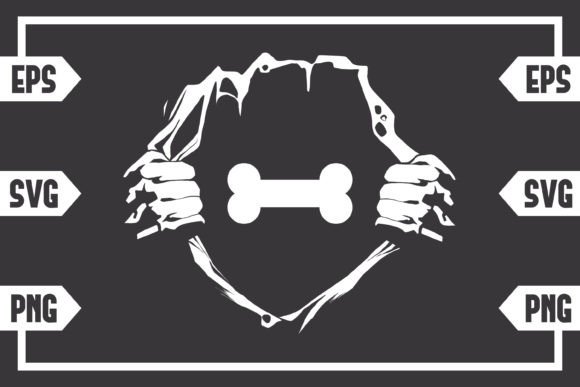
When I first opened the Chest Rip off Dog Paw design, I knew immediately it wasn’t trying to be a wallflower. This is a graphic with bark—bold, direct, and completely unapologetic. I have been working with machine embroidery designs for long enough to recognize when a digital file is going to translate into a real stitched project that customers actually stop to read, laugh at, and buy. That is exactly the kind of energy this design brings to the table.
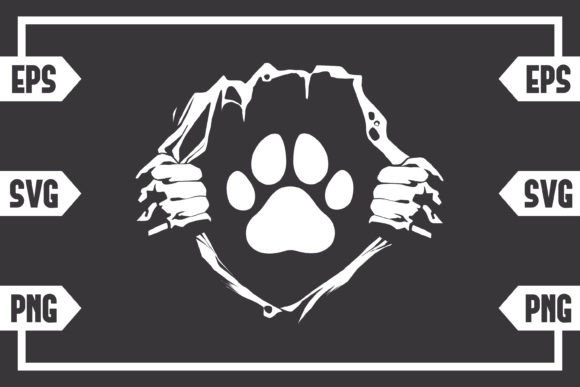
The layout is straightforward and highly readable. The paw graphic anchors the left side while the text sits cleanly beside it, creating a natural flow that works well on both flat surfaces and curved items. It belongs squarely in the Crafts and Graphics categories, and it does not pretend to be anything other than what it is: a funny, edgy statement piece for the dog lover who appreciates a little irreverence in their handmade product.
A Design That Does Not Play It Safe
The personality of Chest Rip off Dog Paw is its strongest asset. It immediately suggests a target audience—people who treat their dogs like partners in mischief, not just pets. It leads toward custom apparel, accessories, and boutique products that feel personal and slightly rebellious. If you sell on Etsy or run a small shop that focuses on personalized gifts, this design gives you a clear voice. It is not generic. That matters in a crowded marketplace where buyers scroll fast and stop only on items that feel authentic.
I appreciate the visual balance between the paw and the text. The paw itself has a natural, slightly rugged shape that does not feel overly cutesy. That matters because the humor in the text lands better when the graphic walks a fine line between playful and tough. The overall mood is confident and a little sarcastic, which is a tone that sells very well on items like sweatshirts, tote bags, and embroidered patches.
Stitching the Chest Rip off Dog Paw Onto Real Products
As with any digital embroidery file, the real test is how it behaves on fabric. The Chest Rip off Dog Paw design is a strong candidate for several product categories, but it does ask you to think carefully about where you place it.
Where it shines best:
- Sweatshirt embroidery: The casual, cozy surface of a hoodie or crewneck lets the bold text feel natural. The paw graphic stands out well in a medium to large hoop.
- Tote bag design: A structured canvas tote gives the satin stitch and fill areas a firm foundation. The design looks crisp and professional.
- Embroidered patch: This is one of the best uses for the design. Stitch it out as a standalone patch with a clean satin stitch border, and it becomes a versatile product you can attach to jackets, backpacks, or leashes.
- Aprons and kitchen towels: For a small shop or boutique, this design adds a humorous touch to utility items. It feels intentional, not random.
Where to use it carefully:
- Small hoop sizes: If you try to cram the full layout into a tiny hoop, the text loses its sharpness. The paw graphic needs breathing room. Test the scaling carefully before committing to a miniature product.
- Baby embroidery: The tone is not typical baby fare, but I have seen sellers use edgy text for onesies aimed at parents with a dry sense of humor. Just know your audience before taking that route.
- Curved surfaces: Caps and hats can be tricky. The text might require some repositioning or a slight curve to fit the front panel naturally. A flat layout works better on aprons and totes.
The Tote Bag Test: A Real Use Case
I recently mapped out a product run for a small pet boutique, and I tested Chest Rip off Dog Paw on a heavy cotton canvas tote. This is exactly the kind of scenario where the design proves its worth. I digitized the SVG into a proper machine embroidery file, paying careful attention to the stitch density for the text and the fill stitch for the paw graphic. The satin stitch on the lettering was particularly important—keeping the column widths narrow enough to avoid gaps but wide enough to read clearly from a few feet away.
I used a medium-weight cutaway stabilizer to anchor the stitches, and I ran a test on scrap fabric first. That test revealed a minor pull compensation issue on the thicker canvas, which I adjusted before stitching the final product. The result was a clean, professional tote that looked like a boutique item, not a homemade afterthought. The client loved the finished product, and the first batch sold out within two weeks.
The key takeaway here is that Chest Rip off Dog Paw gives you a strong foundation, but like any embroidery project, your own digitizing decisions and fabric choices will determine the final quality. If you take the time to test your thread colors against the fabric texture, the design rewards you with a highly saleable item.
Fabric Considerations and Stitch Adjustments
The design handles a variety of fabric textures, but not all surfaces are equal. On structured materials like denim, canvas, and twill, the text and paw sit nicely. The fabric holds the stitches firmly, and the design retains its intended shape. On stretchy fabrics like cotton jersey or lightweight fleece, you need to be more deliberate. Stitch density can cause puckering if the stabilizer is not robust enough. I recommend using a tearaway or cutaway stabilizer depending on how dense your digitized version turns out.
For the paw graphic, a fill stitch works well, but you can also treat it as an applique design if you want to save thread and add a layered fabric texture. Applique gives the paw a slightly raised, tactile feel that customers enjoy. For the text, stick with a clean satin stitch to maintain readability. Avoid running stitch for the lettering because it will look sparse and unfinished.
Thread contrast is critical here. The design relies heavily on the text being instantly readable. Light thread on a dark fabric background creates the strongest visual pop. White, neon green, or bright yellow on black fabric makes the statement undeniable. If you stitch it on a light fabric, consider using a dark or bold thread color to preserve the same impact.
Navigating Hoop Sizes and Detail Retention
One of the first questions I ask when I evaluate a digital download like this is whether it can handle different hoop sizes without losing its character. Chest Rip off Dog Paw is forgiving up to a point. You can scale it down for a smaller hoop size as long as you check the minimum stitch length. The paw graphic still reads well at reduced sizes because the shapes are simple and distinct. The text, however, starts to lose its crispness below a certain threshold. If you are working with a 4x4 hoop, test the placement carefully. You might need to separate the paw and the text into two placements to keep the detail sharp.
I also recommend running the design through your software to check for any overly dense areas. If the digitized version has tight corners in the satin stitch, those spots can cause thread breaks or fabric distortion. A small amount of editing in your embroidery file can prevent those headaches before they reach the machine.
What This Design Means for Your Craft Business
For Etsy sellers and small shop owners, Chest Rip off Dog Paw is a solid addition to a collection that targets dog lovers with a sense of humor. It provides excellent perceived value because it communicates a specific personality. Buyers who connect with the tone will see the finished product as a thoughtful, personalized gift rather than a generic item. That perception allows you to price your handmade products higher and still move inventory.
The design also works well for printable mockups and design assets if you sell digital products. Because it is an SVG, you can easily resize it for different product previews without losing quality. That versatility makes it useful beyond just stitching—it can appear in your shop banners, social media posts, and listing photos to create a cohesive brand aesthetic.
If you are creating commercial embroidery products, always double-check the specific licensing terms for the design. The Graphics and Crafts categories typically allow for incorporation into physical products for sale, but it is your responsibility to confirm that before selling finished items or digital embroidery file bundles.
Practical Checks Before You Stitch
Before you commit the Chest Rip off Dog Paw to a full production run, take these steps to ensure your stitching matches the potential of the design:
- Test on scrap fabric. Do not skip this step. Run a test stitch on fabric that matches your final product. Adjust stitch density and pull compensation as needed.
- Check thread color contrast. View the design in black and white mockups first. If the text disappears into the fabric, change your thread color or fabric choice.
- Confirm your hoop size. Make sure the entire design fits comfortably within your hoop without touching the edges.
- Inspect small details. If the paw or text has very tight curves, consider increasing the satin stitch width slightly to avoid gaps.
- Verify licensing. Understand what you are allowed to do with the design before selling finished items or digital products.
Final Verdict for the Hands-On Maker
Chest Rip off Dog Paw is not a design that tries to please everyone. It has a specific voice, and that is exactly what makes it valuable. For the craft business owner who wants to create handmade products with personality, this graphic delivers. It stitches well on sturdy fabrics, sells well to a targeted audience, and holds up visually when you take the time to test your settings. Whether you are making a custom embroidered tote bag, a patch for a denim jacket, or a funny sweatshirt for a dog-loving friend, this design earns its place in your digital library. Treat it with the same care you would any professional embroidery project, and it will become a reliable piece of your product lineup.