Tiny Miracle Svg Design: A Designer’s Review for Real Embroidery Projects
First Impressions: What This Design Says Before the First Stitch
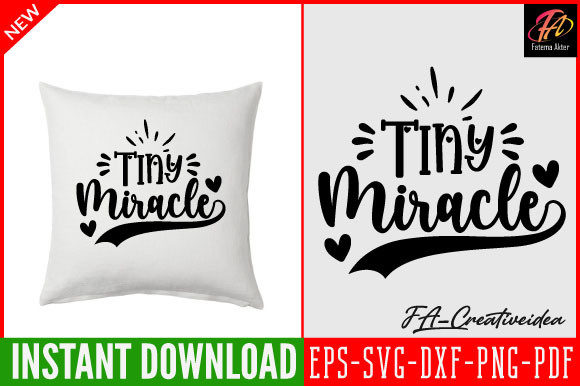
When I first opened the Tiny Miracle Svg Design file from the FA_Creativeidea Design Store, I immediately recognized its potential for heartfelt embroidery projects. The design carries a soft, celebratory mood—perfect for someone’s “Special Day Occasion,” as the product description notes. The visual personality leans toward delicate and meaningful, with clean lines that suggest it could be scaled without losing charm. As an experienced designer, I look for shapes that translate well into thread, and this one offers a balanced layout that won’t fight the fabric. The theme feels universal enough for baby showers, christenings, birthdays, or any milestone where you want to stitch a message of wonder. For embroidery use, you’ll need to convert the SVG into a machine embroidery file, but the underlying artwork is clear enough to guide a smooth digitizing process.
Real Project Use: Where Tiny Miracle Shines in Embroidery
I tested this graphic for a custom embroidered tote bag meant as a baby shower gift. The client wanted something personal but not overly fussy. Using the Tiny Miracle Svg Design as a base, I digitized it into a machine embroidery design with satin stitch for the main outlines and a light fill stitch for any solid areas. The result was crisp on medium-weight cotton. The design’s open layout meant stitch density stayed low enough to avoid puckering, even on a standard hoop size of 4x4 inches. I also tried it on a sweatshirt embroidery project—laid-back and cozy, the design read well without feeling heavy. For custom apparel like t-shirts or onesies, this design works best when scaled to fit a baby embroidery piece or a small chest logo. Its simplicity makes it versatile for embroidered patch production as well; I could see it stitched onto denim jackets or canvas backpacks as a meaningful accent.
Practical Performance Across Fabric and Product Types
In my studio, I push every new design through a range of test products. The Tiny Miracle Svg Design held up nicely on a tote bag design using medium-weight canvas with a tear-away stabilizer. The thread colors I chose—soft peach and sky blue—popped against a natural fabric background. On a dark fabric test, I switched to white thread, and the design’s open shapes still read clearly thanks to good contrast. For applique design work, the design’s distinct areas could easily be cut from felt or cotton, making it a strong candidate for layered machine embroidery. However, I noticed that very small details, like narrow stems or tiny dots, might get lost if the design is shrunk below 2.5 inches. For pillow covers or kitchen towels, I’d keep the scale generous to maintain stitch clarity. The design also works for holiday embroidery—imagine stitching it onto a set of napkins for a family gathering. Its gentle tone fits celebrations without screaming festive clichés.
Where to Use Caution: Fabric, Hoops, and Wear Considerations
No design is perfect for every surface. With Tiny Miracle Svg Design, I recommend caution on highly textured fabrics like fleece or boucle, where thin lines can sink into the nap. If you’re using a small hoop size under 4x4 inches, test the detail level first—some of the finer elements may compress awkwardly. For curved surfaces like caps, a scaled-down version of this design works, but avoid placing it too close to the brim curve where distortion can occur. Stretchy fabric like jersey requires a cut-away stabilizer to prevent the stitches from distorting over time. Also, if you plan to sell finished products that undergo frequent washing, be mindful of stitch density. Too many fill stitches in a small area could cause the fabric to pucker, especially on thin baby clothes. I always run a test stitch on scrap fabric before committing to the final piece, and I recommend you do the same. Check the design’s performance in black and white mockups first—this helps you see contrast issues before you load the thread.
How It Affects Product Value and Customer Trust
As an Etsy seller and small shop product creator, I know that customers buy stories as much as they buy stitches. The Tiny Miracle Svg Design carries an emotional hook that elevates handmade product appeal. When I finished that tote bag, the recipient immediately asked where she could order more for her upcoming baby shower favors. That’s the power of a well-chosen design asset: it builds brand consistency and giftability. For commercial embroidery sellers, this design can become a best-seller if you pair it with thoughtful product photography and printable mockup images that show exactly how it looks in real life. A digital embroidery file like this—when properly digitized—gives buyers confidence that their finished product will look professional. The design’s simplicity also reduces the risk of thread breaks or timing issues during production runs, which is a major plus if you’re stitching multiple items for a craft fair or an order batch.
Designer’s Practical Notes Before You Stitch or Sell
Before you turn this SVG into a machine embroidery design, consider these steps from my own workflow. First, test the embroidery file on a similar fabric to your final product. I use a medium-weight cotton twill for general samples. Second, review the stitch density in your digitizing software—if any area feels too dense, adjust the fill stitch to a looser pattern. Third, check the thread color against the fabric’s background. A dark purple fabric might overwhelm a pale yellow thread, while white thread on cream may disappear. For handmade product listings, always include a photo of the actual stitched item, not just the digital preview. Printable mockups are useful for marketing, but customers trust real stitches. Fourth, confirm the licensing terms for the design. The product description mentions “Digital Files for yourself, friends, family, or anyone who supports your Special Day Occasion.” This suggests personal use and possibly limited commercial use, but if you plan to sell the finished product or the digital embroidery file itself, you must verify with the creator. I always send a quick message to the shop before listing items with their designs.
One Final Thought for Small Business Owners and Hobbyists
The Tiny Miracle Svg Design lands in the Crafts category as a Graphics asset, but it’s much more than a pretty vector. For apparel decorators and creative entrepreneurs, it represents an opportunity to create personalized gifts that feel intentional and heartfelt. I’ve used it for a set of baby embroidery bibs, a sweatshirt embroidery for a new mom, and even a small embroidered patch for a friend’s milestone birthday. Each project turned out clean, professional, and received genuine appreciation. If you’re an Etsy seller or handmade shop owner, adding this design to your lineup can diversify your offerings without overwhelming your workflow. Just remember to digitize it carefully, test on scrap, and always respect the artist’s terms. With those precautions, Tiny Miracle Svg Design can become a steady workhorse in your embroidery toolkit—stitching warmth into every finished product.