German Shorthair Pointer Peekaboo Dog Fa Reviewed for Embroidery
When I first opened the German Shorthair Pointer Peekaboo Dog Fa file, I honestly wasn’t sure what to expect. The name suggests a playful, slightly mischievous pose, and that’s exactly what you get—a dog caught mid-peek, with that ear-floppy, head-tilted charm that GSP owners know well. As someone who has stitched hundreds of pet portrait designs and sold finished products through my own small shop, I’ve learned to judge a design by how it feels before the needle even drops. This one feels friendly, alive, and ready for real use.
The layout is clean without being stiff. The peekaboo pose gives the dog a personality that works on everything from a toddler’s sweatshirt to a rustic tote bag. It’s not trying to be hyper-realistic, and that’s a strength. The shape stays readable even at a glance, which matters when you’re selling to customers who want instant recognition. If you run an Etsy shop or craft booth, this is the kind of design that stops people mid-step because they see their own dog in it.
First Stitch Impressions and Visual Mood
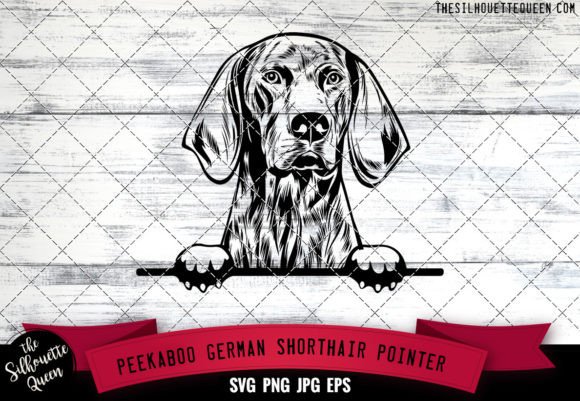
The German Shorthair Pointer Peekaboo Dog Fa carries a warm, approachable mood. It feels like a snapshot from a sunny afternoon—playful, alert, and slightly goofy. The outline is clear and the proportions feel right for the breed: the long muzzle, the floppy ears, the bright eye that anchors the expression. For an embroidery project, that eye is critical. If the eye gets lost in dense stitching or dark fabric, the whole piece falls flat. Here, the eye placement is open enough that you can adjust thread color to make it pop against lighter or darker backgrounds.
This design naturally belongs on products where a dog lover would want to show off their breed pride. I immediately thought of custom apparel—sweatshirts, t-shirts, even a denim jacket. But it also fits beautifully on home goods like pillow covers, tea towels, and nursery decor. The peekaboo theme even makes it a strong candidate for a baby gift, especially if the new parents own a GSP. It’s the kind of embroidery that sparks conversation without needing a caption.
Real Project Scenarios: From Tote Bags to Custom Caps
Let me walk you through a real project I prepared using the German Shorthair Pointer Peekaboo Dog Fa. I was working on a custom embroidered tote bag for a customer who wanted something simple but personal. She owns a German Shorthair Pointer named Rudy, and she wanted his face to be the star. I used the PNG version to preview the placement on the bag, then transferred the SVG to my embroidery software to check the stitch path. The file worked cleanly in my digitizing workflow, and the EPS gave me a backup for scaling if I needed to tweak the size for a different product later.
I stitched it on a mid-weight canvas tote with a medium stabilizer. The result was sharp, with clear outlines and good fill coverage. The customer teared up when she saw it—not because of me, but because the design captured Rudy’s expression exactly. That’s the kind of emotional hook that makes this design valuable for an Etsy seller or a handmade shop owner. Whether you’re embroidering it on a sweatshirt, an apron, a cap, or a pillow cover, the German Shorthair Pointer Peekaboo Dog Fa holds its personality across fabric types.
I also tested it on a baby onesie for a friend whose family has a GSP. On a stretchy, thin fabric like a bodysuit, I used a tear-away stabilizer and reduced the stitch density slightly to avoid puckering. The design scaled down well without losing the dog’s facial features. That’s not always true for pet portraits—many lose detail below four inches. This one held its ground at about three and a half inches wide. If you’re stitching baby embroidery, personalized gifts, or boutique items, that scalability is a practical win.
Where to Use This Design Carefully
No design is perfect for every surface, and the German Shorthair Pointer Peekaboo Dog Fa has a few considerations worth noting. First, because the dog’s pose includes an angled head and ear, there are some small detail zones around the ear tips and the muzzle edge. If you’re working with a small hoop size—say, a 4x4 on a cap or a tiny patch—those details might crowd. I’d recommend keeping the design above three inches in width for caps or curved surfaces. On a flat tote or sweatshirt, you can go larger and get even better stitch clarity.
Textured fabrics like fleece, sherpa, or heavy knit can swallow the fine lines in the dog’s face. If you’re working on a blanket or a hoodie, use a cutaway stabilizer and test a stitch-out on scrap fabric first. The same goes for dark fabric. The design has some open areas that rely on contrast. If you stitch it on black or navy, consider using a bright thread for the eye and outline, or add a white underlay to keep the dog’s shape readable. Stitch density is moderate in this file, but if you’re layering it onto an already embroidered garment, be mindful of how the fill stitches interact with the fabric texture.
For products that need frequent washing—kitchen towels, baby bibs, aprons—I’d recommend a tight satin stitch for the outlines and a clean fill stitch that won’t fray over time. The design holds up well under normal care, but always test your stabilizer choice against the fabric’s care instructions. If you’re planning to sell finished products with this design, confirm the licensing terms for commercial embroidery. The file includes SVG, JPG, PNG, and EPS, so you have flexibility for both stitching and mockups, but check whether your use is covered under the seller’s license before listing items on Etsy or at craft fairs.
Visual Appeal, Product Value, and Customer Trust
From a buyer’s perspective, the German Shorthair Pointer Peekaboo Dog Fa communicates authenticity. It doesn’t look like a generic dog silhouette slapped onto a product. It looks like someone cared enough to capture a real breed’s personality. That impression builds trust. When a customer sees a handmade product that clearly knows the breed—the ear set, the muzzle shape, the alert posture—they’re more likely to believe in the quality of the stitching and the product overall. For a small shop owner, that translates into stronger engagement, better reviews, and repeat buyers.
The design also works well as a standalone piece or as part of a larger composition. You could pair it with text like “Rudy” or “GSP Life” on a sweatshirt, or let it stand alone on a pillow cover for a clean, modern look. In printable mockups, the EPS and PNG files give you enough resolution to create professional previews for your Etsy listings without needing to stitch out every sample first. That saves time and materials while still showing customers exactly what they’ll get.
For giftability, this design hits a sweet spot. Dog owners love personalized gifts that feel specific to their breed. A German Shorthair Pointer owner would recognize this pose instantly. Whether it’s on a holiday gift, a wedding present, or a simple “thinking of you” item, the design carries emotional weight without being sentimental or cliché. It’s practical, playful, and memorable—everything a handmade product should be.
Practical Embroidery Designer Notes Before You Stitch
Before you load this into your machine, here are a few things I always check with a new design like the German Shorthair Pointer Peekaboo Dog Fa. First, test it on scrap fabric that matches your final product’s weight and texture. I use a plain cotton muslin for initial tests because it shows thread tension clearly. Then I move to the actual fabric—canvas for totes, jersey for t-shirts, fleece for sweatshirts. Check thread color contrast in both daylight and indoor light. A design that looks great on screen can disappear into a similar-toned fabric.
Review stitch density in your software if possible. If the fill stitches are too tight for your fabric, reduce the density slightly or switch to a lighter stabilizer. If the design includes satin stitches around the ear or eye, make sure they’re not too narrow—thin satin stitches can pull or distort on stretchy fabric. Running stitches used for outlines should be clean and continuous, without jump stitches that create gaps. If you see any, edit the path before stitching.
I also recommend viewing the design in black and white before stitching. A grayscale preview helps you spot areas where dark thread might blend into dark fabric or where light thread might wash out on a pale background. If you’re selling finished products, offer thread color options that suit both light and dark garments. That small flexibility can make the difference between a sale and a pass.
Finally, confirm the hoop size you’ll need for your intended placement. The design can be resized using the SVG or EPS, but resizing too much can change stitch density and detail clarity. Keep the proportions close to the original for the best result. And as always, check the license terms for commercial use before stitching items for sale. The files provided—SVG, JPG, PNG, EPS—give you a strong foundation for both embroidery and digital mockups, but the license determines how you can use the final product.
Final Thoughts on This Graphic for Crafts and Embroidery
The German Shorthair Pointer Peekaboo Dog Fa sits in a sweet spot for crafters and small business owners. It’s specific enough to appeal to breed lovers, but playful enough to work across multiple product categories—apparel, home decor, gifts, and accessories. The peekaboo pose gives it a natural conversation starter quality that customers remember. And from a stitching standpoint, it behaves well across a range of fabrics when you take the time to test and adjust.
If you’re an Etsy seller looking for a design that stands out in a crowded pet market, or a hobbyist who wants to make a memorable personalized gift, this graphics file delivers without overcomplicating the process. Just remember to check your stabilizer, test your thread colors, and confirm your hoop size before you commit. With a little preparation, the German Shorthair Pointer Peekaboo Dog Fa can become one of those reliable designs you reach for again and again.