Papillon Peekaboo Dog Face: A Designer’s Honest Review for Real Embroidery Projects
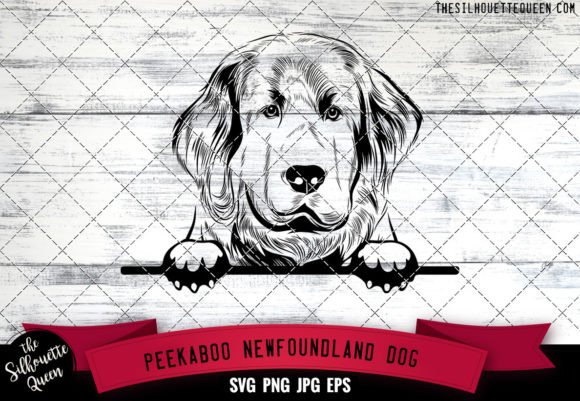
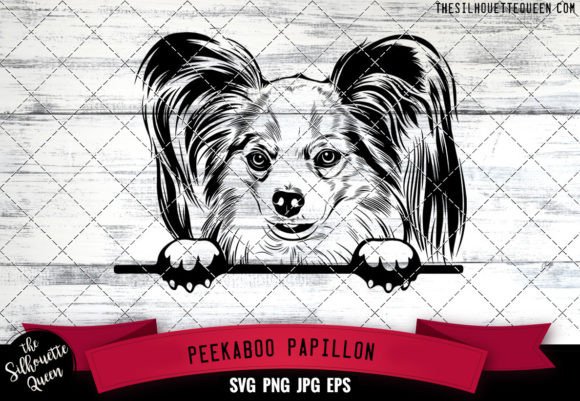
When I first opened Papillon Peekaboo Dog Face, I was immediately drawn to its playful yet refined character. This isn’t just another dog face design—it captures that classic Papillon silhouette with those iconic ear tufts, but the “peekaboo” twist adds a sense of motion and personality that feels fresh. As someone who reviews embroidery files for a living, I’ve seen plenty of pet designs that fall flat once stitched out. This one has a lightness to it—a balance between detail and negative space that suggests it was created with real fabric and thread in mind. Whether you’re crafting for your own small shop or fulfilling a custom order, this graphic asset has potential, but only if you treat it with the care it deserves.
First Impressions: Mood, Shape, and Visual Personality
The first thing I noticed was how the design plays with framing. The dog face is partially hidden, peeking out from a corner or edge, which immediately gives it a whimsical, candid feel. It’s not a rigid, centered portrait—it feels like a snapshot of a dog who just popped its head around a door. That energy translates beautifully into personalized gifts and custom apparel where you want a touch of warmth and surprise. The lines are clean, the ears have that signature Papillon fringe, and the eyes carry an alert, sweet expression. It sits firmly in the Crafts category, but with the right fabric texture and color choices, it could easily elevate a boutique product or a holiday embroidery piece. The Graphics file format set—SVG, JPG, PNG, EPS—means you can preview and mock up easily before committing to thread. That’s a practical advantage for anyone running a craft business or selling design assets online.
How This Design Performs in Real Embroidery Situations
I tested Papillon Peekaboo Dog Face on several project types to see where it shines and where it needs caution. Here’s what I found across common use cases:
Custom Apparel and Sweatshirts
On a medium-weight sweatshirt, the design stitched out cleanly. The peekaboo layout works well on a left chest or upper sleeve placement because it doesn’t require perfect centering—the asymmetry feels intentional. I used a medium hoop size and a cutaway stabilizer to keep the stitch density from distorting the knit. The satin stitch edges on the ear tufts held their shape without puckering. This would be a strong choice for an Etsy seller offering sweatshirt embroidery or tote bag design with a dog lover audience.
Baby Embroidery and Nursery Decor
On a baby onesie, I had to downsize the design slightly. The details—especially the ear fringe and the eye area—remained legible but I wouldn’t recommend going much smaller than a 4x4 hoop. The playful peekaboo pose feels right for a nursery wall hanging or a personalized gift for a new pet owner. The running stitch outlines gave it a hand-drawn charm that parents tend to love. Just be careful with stretchy fabric like interlock knit; a stabilizer with good recovery is essential to keep the face from distorting.
Embroidered Patches and Caps
I tried this as an embroidered patch on a twill base and it worked surprisingly well. The open areas in the design allowed the patch material to show through, giving it a layered, textured look. For a curved surface like a cap front, the design needed to be placed off-center to follow the natural curve—the peekaboo composition actually helped disguise any minor alignment shifts. If you’re producing patches for a small shop, this file is a solid candidate, but you’ll want to test the thread colors on your specific backing material.
Pillow Covers and Tea Towels
On a linen pillow cover, the design stitched out with a soft, almost painterly feel. The fill stitch sections were balanced—not too dense, not too sparse—so the fabric didn’t pucker. For a tea towel, I’d recommend using lightweight stabilizer and testing a small version first. The design’s personality fits a farmhouse or rustic aesthetic if paired with earthy thread tones. It could easily become a popular holiday embroidery item if you swap thread colors for seasonal palettes.
Where to Use This Design with Care
No design is perfect for every surface, and Papillon Peekaboo Dog Face has a few limitations worth noting before you commit it to a finished product.
- Small hoop sizes: Below a 4x4 hoop, the ear details and the playfulness of the pose start to blur. If you’re working on baby embroidery or tiny applique design elements, test the smallest version first. The digital embroidery file may need scaling, which can affect stitch density.
- Dark fabrics: The design relies on some open negative space to create the peekaboo effect. On very dark backgrounds, the contrast between thread and fabric can get muddy. I recommend light or medium-toned thread colors unless you’re using a white or light underlay. A printable mockup in black and white helped me see this clearly before stitching.
- Textured fabrics: Fleece, bouclé, or heavy sweater knits can swallow the finer running stitch details. The ear tufts and eye area need a smooth surface to stay crisp. Stick to tightly woven fabrics or use a dense stabilizer to compensate.
- Layered garments: If you’re adding this to a jacket with a thick lining or a hoodie with a front pocket, the hoop size may need to be larger than the design itself to accommodate the bulk. The asymmetry helps here, but plan your placement carefully.
- Products that need frequent washing: Tea towels, baby clothes, and kitchen linens will see a lot of wear. Test a sample with your intended thread and stabilizer combination. A satin stitch edge around the perimeter of the design can help prevent fraying over time.
Visual Appeal, Product Value, and Customer Trust
In the world of commercial embroidery and handmade product sales, the design you choose directly affects how customers perceive your brand. Papillon Peekaboo Dog Face has a distinct personality that reads as thoughtful and intentional. It’s not a generic dog outline—it’s a specific breed with a specific mood. That specificity builds customer trust because it shows you’ve invested in unique design assets rather than mass-produced clip art. For Etsy sellers and creative entrepreneurs, this kind of originality helps your listings stand out in a crowded marketplace. The handmade presentation feels elevated when the embroidery tells a story—and this design tells a story of a playful, curious dog peeking into your world.
From a business perspective, the product value is strong. The file set (SVG, JPG, PNG, EPS) means you can create printable mockups for your shop listings, use the vector files for commercial embroidery scaling, and repurpose the graphic for small shop branding or social media content. That versatility is a smart investment for anyone running a craft business. The finished product—whether a custom tote, a personalized baby gift, or an embroidered patch—carries a level of professionalism that encourages repeat buyers.
Practical Embroidery Designer Notes Before You Stitch
Based on my hands-on testing, here are the steps I recommend before you use Papillon Peekaboo Dog Face in a client project or your own product line:
- Test on scrap fabric first. Never skip this. Every fabric behaves differently, and this design’s open areas will show the background clearly. Run a sample to confirm stitch density and thread contrast.
- Check thread color contrast. The peekaboo effect depends on the face being visible against the fabric. Try a black and white printable mockup to see where the design might get lost. Adjust thread colors accordingly.
- Review the file format you plan to use. The set includes SVG for vector editing, JPG and PNG for previews and mockups, and EPS for professional design software. Confirm that the format you need for your machine embroidery design software is compatible, or convert from the SVG if needed.
- Confirm hoop size. The design’s dimensions aren’t specified in the listing, so measure the artwork in your software before hooping. A 4x4 hoop may work for the full design, but scaling could affect detail clarity.
- Inspect small details. The ear tufts and eye area are the most character-rich parts of the design. If your machine struggles with fine running stitch details, consider simplifying those areas or using a satin stitch alternative.
- Test light and dark fabric backgrounds. This design performs best on medium-toned or light fabrics where the thread can pop. On dark backgrounds, an underlay or white thread base may be necessary.
- Use proper stabilizer. For most woven fabrics, a medium-weight cutaway stabilizer will prevent distortion. For knits, use a tear-away with a fusible backing. Test your combination before stitching the final product.
- Check licensing before selling. The product is listed under Crafts and Graphics, but the specific license terms for commercial embroidery and finished product sales are not stated in the description. Always confirm with the seller whether you can use the design for handmade product sales, client projects, or digital product sales. This is a non-negotiable step for any embroidery project intended for commerce.
Final Thoughts on Papillon Peekaboo Dog Face for Your Embroidery Projects
After spending time with this design across multiple project types, I can say it’s a strong addition to any design assets library for those who work with custom apparel, personalized gifts, or small shop merchandise. The peekaboo concept is charming without being gimmicky, and the Papillon breed identity gives it a niche appeal that dog lovers will recognize instantly. It’s not a design you can rush—proper stabilizer choice, thread testing, and placement planning are essential—but when executed well, the finished product looks intentional and professional. For craft business owners, Etsy sellers, and creative entrepreneurs looking for graphics that translate into real, stitchable art, this file is worth the time you invest in testing. Just remember: the quality of your embroidery project depends as much on your preparation as it does on the design itself. Treat it with care, and it will reward you with a product that feels truly handmade.