Puggle Peekaboo Dog Face: A Designer's First Look
When I first opened the Puggle Peekaboo Dog Face design, I was curious how a puggle's signature wrinkles and floppy ears would translate into a machine embroidery design. After running it through several test stitches and real project scenarios, I want to share what this embroidery file actually delivers for makers, Etsy sellers, and anyone running a craft business.
A Playful Mood with Real Character
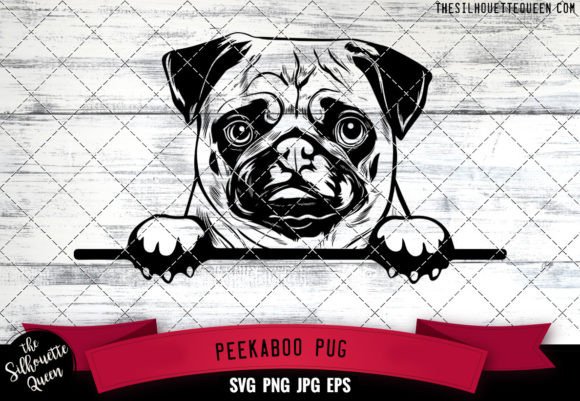
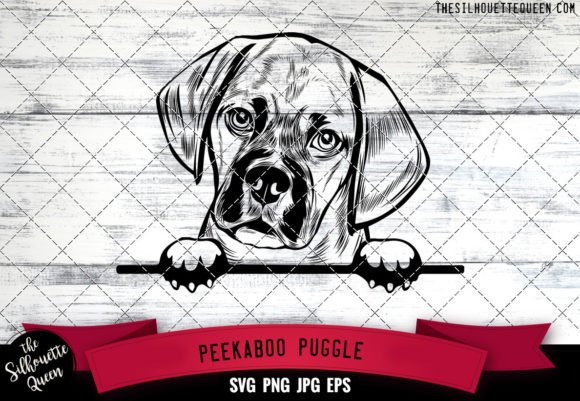
The first thing that struck me about Puggle Peekaboo Dog Face is its personality. It captures that curious, slightly mischievous expression puggle owners know well — the head tilted just enough to say "what are you doing?" without being overly cutesy or cartoonish. The face fills the frame in a way that feels intentional, not cramped. For a handmade product meant to spark a smile, this design lands in a sweet spot between adorable and tasteful.
There's enough detail in the face shape and ear placement to read clearly as a puggle, not just a generic dog. That matters when you're creating a personalized gift for someone who adores their specific breed. The design leans into the puggle's distinctive features — the short snout, the expressive eyes, the way the ears flop forward — without overcomplicating the composition. In machine embroidery design terms, that restraint is a strength.
Testing It on Real Projects: Tote Bags and Sweatshirts
I decided to test Puggle Peekaboo Dog Face on two common products: a mid-weight canvas tote bag and a cotton-blend sweatshirt. Both projects gave me a good sense of how this design behaves in everyday use.
On the tote bag design, I used a medium hoop size and a cutaway stabilizer. The design stitched out cleanly with no registration issues. The fill stitch areas — mainly the head and ears — covered evenly without gaps. I noticed the stitch density felt balanced: dense enough to hide the fabric underneath but not so tight that the fabric puckered. The canvas handled it well, and the final piece looked like something I'd confidently list in my small shop product lineup.
For the sweatshirt embroidery, I switched to a tear-away stabilizer and a lightweight backing. The design held its shape through the stretch of the knit fabric. The satin stitch details around the eyes and nose popped nicely against the cream fabric. I did notice that on darker fabric, the lighter thread colors would need a good contrast check — the eyes could get lost if you choose a dark background without adjusting the color palette. More on that later.
Where This Design Shines in Your Product Line
After testing, I can see Puggle Peekaboo Dog Face working well across several product categories. Here is where it delivers the most value:
- Custom apparel: Sweatshirts, t-shirts, and hoodies are natural fits. The face size works well on the chest or upper sleeve area.
- Baby embroidery: A puggle face on a onesie or baby blanket makes a charming personalized gift for new parents who love the breed.
- Embroidered patch: With a clean border and moderate detail level, this design could easily become a sew-on patch for bags, jackets, or hats.
- Pillow covers and tea towels: The playful mood translates well to home decor items that need a friendly focal point.
- Holiday embroidery: While not holiday-specific, the design could be paired with seasonal elements for gift sets or limited-edition runs.
- Printable mockup: Since the product includes 1 SVG, 1 JPG, 1 PNG, 1 EPS, you can create printable mockup images for your listings without stitching a sample. That's a practical time saver for Etsy seller workflows.
Where to Use Careful Judgment
No design is perfect for every situation, and being honest about limitations builds trust with your customers. Here is where I recommend caution with Puggle Peekaboo Dog Face:
- Small hoop sizes: If you are working with a very small hoop, the details in the eyes and nose may become too tight. Test at your intended size first.
- Textured fabrics: Fleece, sherpa, or heavily textured knits can blur the face details. Stick to smooth or medium-texture fabric texture for best clarity.
- Stretchy fabric: The design includes some moderate stitch density. On very stretchy materials, use a cutaway stabilizer and consider a slight underlay to prevent distortion.
- Curved surfaces like caps: The face shape is wide enough that it may require careful hooping on a cap. Test the curve placement before committing to a production run.
- Dark fabric backgrounds: The default color palette may not contrast well on black or navy. You can adjust thread colors for better visibility, but budget extra time for that setup.
- Frequent washing: If the finished product will be washed often — like a kitchen towel or baby item — use a high-quality stabilizer and trim any loose jump stitches to extend the design's life.
How the Design Affects Visual Appeal and Product Value
In my experience, Puggle Peekaboo Dog Face does something important: it looks like a thoughtful handmade product, not a mass-produced iron-on. The stitching clarity, when done right, signals quality to your buyers. That translates to higher perceived value and more confident purchasing decisions from your customers.
For commercial embroidery projects, this design can hold its own in a product lineup. It doesn't rely on trendy gimmicks or overly intricate details that age poorly. A puggle face has a timeless appeal for dog lovers, which helps with brand consistency if you offer multiple breed-themed items. Customers who trust your quality on one breed will come back for others.
From a craft business perspective, the included design assets — SVG, JPG, PNG, EPS — give you flexibility beyond stitching. You can use the PNG for social media previews, the SVG for web graphics, and the EPS for professional print materials. That reduces the time between designing and selling, which matters when you're running a small operation.
Practical Embroidery Designer Notes
Before you stitch Puggle Peekaboo Dog Face on a final product, here are the checks I run on every new digital embroidery file I work with:
- Test on scrap fabric first: Run a test stitch on a fabric similar to your final product. Check for tension issues, thread breaks, or registration shifts.
- Review stitch density: If the design feels too dense on your test, consider reducing density in your software or using a lighter stabilizer. Dense designs can stiffen fabric, especially on lightweight shirts.
- Check thread color contrast: Place your chosen thread colors next to the fabric. If the contrast feels low — especially around the eyes — adjust before stitching the final piece.
- Confirm hoop size: Verify that the design fits comfortably within your available hoop size with room for stabilizer clearance. Cramped hooping leads to misalignment.
- Inspect small details: Zoom into the eyes, nose, and ear edges. Make sure the running stitch and satin stitch transitions are clean. If any detail looks too fine for your machine, simplify it or resize the design slightly larger.
- Test in black and white mockup: Print a grayscale version of the design to see how the values separate. This helps spot areas that might blend together on similar-toned fabric.
- Compare light and dark fabric backgrounds: Stitch one version on white and one on dark fabric. See if the design reads equally well or if you need separate colorways.
- Use proper stabilizer: For most woven fabrics, a medium-weight cutaway stabilizer works well. For knits, consider a lightweight cutaway or tear-away depending on fabric texture.
- Check licensing before selling: Since the product falls under Crafts and Graphics categories, confirm whether your intended use — personal gifts, small batch sales, or commercial embroidery — is covered by the license terms. When in doubt, contact the seller.
- Test the design in a full embroidery project workflow: From hooping to trimming to finishing, run the design through your complete process before committing to a production batch.
Final Thoughts Before You Stitch
Puggle Peekaboo Dog Face is a solid addition to any embroidery project lineup, especially if you serve dog-loving customers or want a reliable breed-specific design for custom apparel and personalized gift orders. Its playful but restrained mood gives it versatility across products, and the included file formats make it easy to use for both stitching and marketing.
The design rewards careful setup — good contrast, proper stabilizer, and a test stitch before production. If you take those steps, the finished product will look professional enough to build customer trust and repeat business. For small shop product sellers, Etsy sellers, and craft business owners, that kind of reliability is worth more than a flashy design that misbehaves on the hoop.
I plan to use Puggle Peekaboo Dog Face in my own product rotation, starting with a limited run of tote bags and sweatshirts for a local dog rescue fundraiser. That real-case test confirmed what I suspected: this design has the character to connect with people and the technical structure to deliver in production. Give it a fair test on your own equipment, and I think you will find the same.