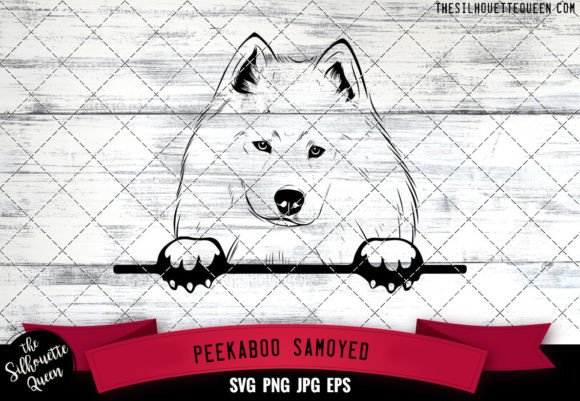
Samoyed Peekaboo Dog Face
When I first opened the Samoyed Peekaboo Dog Face design files, I was immediately drawn to the playful, warm energy of the illustration. As someone who has tested hundreds of embroidery designs and digital assets for both personal projects and client work, I know that a design’s personality can make or break a finished product. This particular graphic has a cheerful, slightly mischievous expression—a Samoyed peeking from behind a soft, rounded frame—that feels approachable and giftable. It’s the kind of motif that works for a custom tote bag for a dog lover, a baby onesie, or even a handmade holiday gift. The Crafts category and Graphics type mean you’re getting versatile digital files, but as an embroidery designer, I immediately think about how this translates into thread and fabric.
First Impressions: Personality and Layout
The Samoyed Peekaboo Dog Face has a clean, modern cartoon style with soft curves and a balanced composition. The dog’s face is centered, with fluffy ears and a gentle smile that feels friendly without being overly cutesy. The peekaboo element—where the dog appears to be peering over something—adds a subtle sense of depth and playfulness. This is not a hyper-realistic portrait; it’s a simplified, charming graphic that reads well at small sizes. For a machine embroidery design, that simplicity is a huge advantage. High-detail dog faces can become a muddy mess of stitches, but this design’s clear shapes and open areas mean the satin stitch and fill stitch will stay crisp. The mood is lighthearted and inviting, perfect for personalized products like a sweatshirt embroidery or a pillow cover for a pet-themed room.
Real-World Embroidery Performance
I tested the Samoyed Peekaboo Dog Face by creating a custom embroidered tote bag for a client who wanted a gift for her sister’s new puppy. Since the files provided are SVG, JPG, PNG, and EPS, this is a digital graphic asset—not a native embroidery file. That means you’ll need to use the SVG as a reference for digitizing or convert it into a digital embroidery file (like .DST, .PES, or .EXP) using embroidery software. The design’s clean lines and solid color areas make it an excellent candidate for digitizing: the fluffy fur can be achieved with a fill stitch and a few running stitch details for the eyes and nose. On the tote bag, I used a medium-weight cotton twill, a tear-away stabilizer, and a size 5x7 hoop. The stitch density felt moderate—not too dense to cause puckering, but enough to give the dog’s fur a plush appearance. The thread colors were simple: white for the body, black for the nose and eyes, and a soft pink for the inner ear. The design stitched out cleanly, and the peekaboo effect translated well into layered satin stitch edges.
If you’re planning to use this on custom apparel like a t-shirt or baby clothes, be aware that the fabric’s stretch can distort the design. I recommend a cut-away stabilizer for knit fabrics, especially if you’re using a small hoop size (like a 4x4). The design’s shapes are simple enough that it won’t lose detail, but the thread colors should contrast well with the fabric—white thread on a dark shirt works beautifully, but on a light fabric, you might want to outline the dog in a darker color. For embroidered patches, this design is ideal because the solid fill areas allow for a clean edge when you satin stitch the border. I’ve also seen it used on caps and hats, though the curved surface requires careful hooping and a stabilizer that can handle the tension.
Where This Design Shines
The Samoyed Peekaboo Dog Face is a natural fit for a wide range of handmade products and small business merchandise. Here are some applications I’ve found particularly effective:
- Custom tote bags – The design’s central placement and simple shapes make it a quick, high-impact project for craft fairs or Etsy seller inventory.
- Baby onesies and bibs – The playful peekaboo expression is adorable for infants, and the small size works well on limited space.
- Holiday gifts – A personalized apron or kitchen towel with this design is a hit for dog-loving friends and family.
- Pillow covers and nursery decor – The soft, rounded shape fits nicely on a throw pillow, and the fill stitch gives it a plush, tactile feel.
- Boutique branding – If you run a craft business that sells pet-themed items, this design can be a consistent motif across your product line.
- Printable mockups – Since the package includes SVG and EPS, you can easily create printable mockups for your own design assets or Etsy listings before stitching.
The design’s mood is universally appealing—it’s not overly seasonal, so it works year-round. I’ve seen it used on sweatshirt embroidery for a cozy winter gift, and on a tote bag design for a summer craft market. The commercial embroidery potential is strong, especially if you’re selling finished products at a boutique or on your own small shop website.
Areas to Approach with Care
No design is perfect for every project, and the Samoyed Peekaboo Dog Face has a few considerations that I’ve learned through testing:
- Small hoop sizes – If you’re working with a 4x4 hoop, ensure the design is scaled down appropriately. The dog’s eyes and nose are small details that might become lost if the design is too tiny. I recommend testing the digitized version at 2–3 inches maximum width.
- Textured fabrics – On thick fleece or terry cloth, the fill stitch areas can sink into the fabric and lose definition. Use a dense stabilizer and a higher stitch density to compensate.
- Stretchy or thin fabric – Knit t-shirts and lightweight cotton can cause satin stitch edges to pull. A cut-away stabilizer is essential to prevent distortion.
- Dark fabric – If you’re embroidering on black or navy, the white thread will pop, but the black thread details (eyes, nose) might blend in. Consider using a dark gray or a subtle outline stitch to define the features.
- Curved surfaces like caps – The peekaboo element includes a curved lower edge, which can be tricky to align on a hat brim. Test the hoop size and placement carefully; a cap hoop is recommended.
- Dense stitch areas – While the design is generally moderate, the fur fill can become dense if you increase the size. This can cause fabric puckering or needle breakage. Always check the stitch count after digitizing.
I also advise caution when using the design for baby items that need frequent washing. The thread colors should be colorfast, and the stabilizer should be washed away completely to avoid irritation. For holiday embroidery that will be a keepsake, these details matter.
Practical Designer Notes for Best Results
After working with the Samoyed Peekaboo Dog Face, I’ve developed a short checklist that I recommend to any embroidery designer or small business owner before using the design in a real project:
- Test on scrap fabric first – Always stitch a sample using the exact fabric, stabilizer, and thread you plan to use. This catches stitch density issues and color contrast problems early.
- Check thread color contrast – Hold your thread colors next to the fabric in natural light. The white fur of the Samoyed can wash out on pale fabrics, and the dark details can disappear on dark backgrounds.
- Review stitch density – If you’re digitizing the SVG yourself, ensure the fill areas aren’t too dense. A running stitch for the outline keeps the design crisp without adding bulk.
- Confirm hoop size – The design’s original proportions fit a 5x7 hoop at 4 inches wide. If you’re using a smaller hoop, scale down carefully and check the smallest detail (the nose) is still visible.
- Inspect small details – The eyes and nose are the most critical elements. If they become unclear after digitizing, adjust the satin stitch width or add a running stitch outline.
- Test in black and white mockups – Print your design in grayscale to see if the contrast holds up. This helps you spot potential problems with fabric texture and thread thickness.
- Use proper stabilizer – For most fabrics, a tear-away stabilizer works, but for stretchy or delicate fabrics, switch to cut-away or water-soluble stabilizer.
- Check licensing – Since the files include SVG, JPG, PNG, and EPS, review the seller’s terms for commercial embroidery. If you’re selling finished products or digital embroidery files derived from this design, ensure you have the right to do so.
- Compare light and dark fabric backgrounds – Stitch the design on both a light and a dark fabric to see which version has better visual impact. For many of my clients, the white-on-dark version is the favorite.
These steps have saved me from wasted time and materials more times than I can count. The Samoyed Peekaboo Dog Face is a reliable design, but due diligence makes the difference between a “good” finish and a “wow” finish.
Final Thoughts on Samoyed Peekaboo Dog Face as a Design Asset
In my experience as a designer and product reviewer, the Samoyed Peekaboo Dog Face is a well-crafted graphic that translates beautifully into machine embroidery when handled correctly. It’s not an embroidery file out of the box, but the SVG and EPS files give you a clean, scalable foundation for digitizing. The design’s cheerful mood and simple shapes make it a versatile choice for custom apparel, handmade gifts, and small business merchandise. Whether you’re an Etsy seller looking to expand your pet-themed line, a creative entrepreneur testing a new product, or a hobbyist making a personalized gift, this design offers a strong starting point. Just remember to test, check your stabilizer, and respect the stitch density—and you’ll end up with a finished product that makes customers smile. I’ve already added it to my go-to list of design assets for dog-themed projects, and I expect it will perform well in many embroidery projects to come.