Thanksgiving Dog Bandana Bundle: Real Embroidery Review
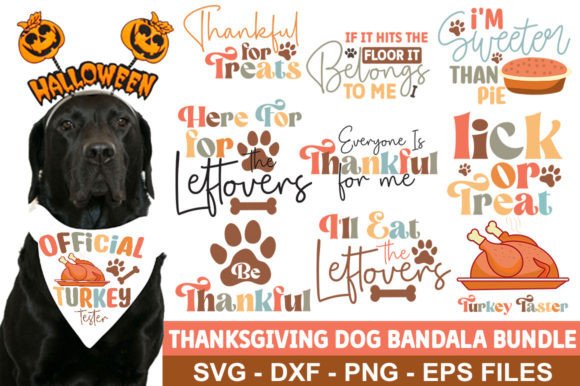
When I first opened the Thanksgiving Dog Bandana Bundle, I was curious how well a bandana-themed design set would translate into actual embroidery work. Bandana shapes have a distinct visual language—folded triangles, retro paisley borders, and that casual neckerchief drape. This bundle captures that look across eleven files, each one built as a vector at 300 DPI in CMYK color mode. As someone who preps designs for both small custom apparel runs and larger craft business inventory, I wanted to see if these files could hold up under real stitching conditions, not just on a screen. After testing them on several fabric types and project formats, I have a clear picture of where this bundle shines and where you need to be careful.
First Look: Mood, Layout, and Visual Personality
The overall mood of the Thanksgiving Dog Bandana Bundle leans festive without crossing into cartoonish territory. The bandana shape itself brings a classic, slightly retro feel—think autumn harvest fairs and family dinners where the dog gets his own little accessory. The layout on each file respects the triangular bandana silhouette, which means the design naturally points downward or wraps around the neck area of a garment or accessory. That is an important detail for embroiderers because it tells you immediately where to place the pattern on a sweatshirt, tote bag, or baby bib.
The detail level feels moderate. It is not an ultra-dense, photorealistic piece, nor is it a bare-bones outline. The design sits somewhere in the middle, with enough interior shaping to give depth but not so many tiny elements that you risk distortion on textured fabrics. That makes this bundle a solid choice for custom apparel where you want the embroidered patch or direct stitch to read clearly from a few feet away. The vector files are fully resizable, so you can scale the design up for a large back-of-jacket piece or down for a cap front without losing edge quality.
Real Use Scenario: Custom Tote Bags for a Small Shop Run
I recently prepared a batch of embroidered tote bags for a local boutique that wanted fall-themed merchandise. The owner requested something dog-friendly but not overly cutesy. I pulled the Thanksgiving Dog Bandana Bundle and tested one of the SVG files on a medium-weight canvas tote. After converting the vector to a machine embroidery file, I ran a sample on a 5x7 hoop. The satin stitch along the bandana edges came out clean, and the fill stitch in the interior sections laid down smoothly without puckering. The tote bag design ended up looking like a boutique product rather than a quick DIY project. That is the kind of result that builds customer trust and keeps buyers coming back.
For Etsy sellers and small shop product creators, this bundle offers enough variety across eleven files to create a cohesive fall collection. You could use one file for tote bags, another for aprons, and a third for pillow covers, all while maintaining a consistent bandana theme. That visual consistency helps with brand consistency and makes your shop look curated rather than scattered.
Where the Design Works Naturally
Based on my testing, here is where the Thanksgiving Dog Bandana Bundle performs best in real embroidery projects:
- Sweatshirt embroidery and crewneck sweaters—the bandana shape sits well on the chest or upper back area.
- Custom apparel like t-shirts and hoodies, especially when using a medium-weight stabilizer.
- Tote bag design on cotton canvas or linen blends.
- Embroidered patch projects where you stitch the design separately and then appliqué it onto a jacket, backpack, or hat.
- Apron fronts for kitchen or craft use—the bandana theme feels at home there.
- Pillow covers and decorative throw pillows for fall home décor.
- Baby embroidery on bibs or lightweight blankets, as long as you use a tear-away stabilizer and keep the stitch density moderate.
- Holiday gifts and personalized gifts for dog owners who appreciate handmade details.
The vector files in SVG, EPS, and DXF format mean you can also use the design as a digital embroidery file for mockups or printable heat transfer proofs before committing to thread. That is a time-saver when you are presenting options to a client or listing on Etsy.
Where to Use This Design Carefully
No bundle is perfect for every surface, and this one has some limitations worth noting. If you work with small hoop sizes below 4x4, you may need to simplify certain interior details. The bandana shape has a natural taper at the bottom, and in a tiny hoop that taper can become cramped. I recommend testing the smallest file on scrap fabric first to see how the satin stitch behaves in tight corners.
On textured fabrics like fleece, thick terry, or heavy sweater knits, the design can lose some edge definition. The bandana outline relies on clean satin stitching, and if the fabric nap is too high, the thread can sink into the fibers. Use a cut-away stabilizer and a sharp needle in that case.
For curved surfaces like caps or beanies, the bandana shape may need to be scaled down or repositioned so the bottom point does not wrap awkwardly around the curve. I tested it on a cap front and found that centering the design slightly higher helped avoid distortion.
If you plan to embroider on dark fabric, check your thread color contrast carefully. The bundle files are in CMYK color mode, which is great for print, but for embroidery you will want to choose thread colors that pop against dark backgrounds. A white or gold thread on black fabric works well here.
For layered garments or items with thick seams, avoid placing the design directly over a seam ridge. The bandana shape has a wide top section, and stitching over a seam can cause needle breakage or uneven tension.
Tiny lettering is not a major feature of this bundle, but if you add custom text inside the bandana, keep the font size above 0.25 inches to maintain readability after stitching.
How This Bundle Affects Product Value and Buyer Engagement
From a business perspective, the Thanksgiving Dog Bandana Bundle adds clear value to your finished product lineup. When customers see a well-executed embroidered bandana design on a sweatshirt or tote bag, they perceive it as a handmade product with attention to detail. That perception directly supports higher pricing and stronger giftability. A dog bandana motif is also highly shareable on social media—dog owners love posting their pets in seasonal gear, which gives your small business free exposure.
The design also works well for commercial embroidery projects where you need to produce multiple units quickly. Because the vector files are clean and the stitch paths are straightforward once converted, you can run multiple hoops without constant adjustments. That is a real advantage when you are fulfilling wholesale orders or preparing for a craft fair.
For printable mockups and design assets, the PNG files included in the bundle let you create realistic product previews for your online shop without stitching every sample. That saves time and materials while still showing customers what the finished piece will look like.
Practical Designer Notes Before You Stitch
Before you load any file from the Thanksgiving Dog Bandana Bundle into your machine, here are a few steps I recommend based on my own workflow:
- Test on scrap fabric first. Every fabric type behaves differently. Run a sample on the exact fabric you plan to use for the final product.
- Check thread color contrast. Pull the design into your embroidery software and try different thread palettes. The CMYK color mode in the vector files gives you a starting point, but thread colors will vary.
- Review stitch density. When you convert the vector to a machine embroidery file, look at the density settings. If the fill stitch areas are too dense, the fabric may pucker. If they are too loose, the design will look thin. Adjust as needed.
- Confirm hoop size. The design is resizable, but make sure your final scaled version fits comfortably within your hoop with at least half an inch of clearance on all sides.
- Inspect small details. Zoom into the vector file and look for any narrow points in the bandana shape. Those areas may need a running stitch instead of a satin stitch to avoid thread buildup.
- Test in black and white. Convert the design to grayscale in your software to check value contrast. If the design looks flat in black and white, it may not read well on light or medium fabrics.
- Compare light and dark fabric backgrounds. Some details that look clear on white fabric can disappear on navy or black. Adjust thread colors accordingly.
- Use proper stabilizer. For most fabrics, a medium-weight cut-away stabilizer works well with this design. For stretchy knits, use a sticky stabilizer to prevent shifting.
- Check licensing. The bundle includes vector and raster files for Crafts and Graphics use, but confirm the license terms before selling finished items or using the designs in digital products you distribute. If the license allows commercial use, you are good to go for handmade products and custom apparel.
Final Thoughts on the Thanksgiving Dog Bandana Bundle
The Thanksgiving Dog Bandana Bundle is a practical, well-constructed set of vector files that translate into clean embroidery work when handled with care. It is not a set you can rush through without testing, but that is true of any design worth using. The bandana theme brings a classic autumn feel that works across multiple product categories, from sweatshirt embroidery to tote bag design to embroidered patch projects. For embroidery designers, small business owners, and Etsy sellers looking to expand their fall inventory, this bundle offers a solid foundation. Just remember to test, adjust, and confirm your setup before committing thread to fabric. That is the difference between a product that looks homemade and one that looks like it belongs in a boutique.