The Dog Did It: A Designer's Embroidery Review
When you work with machine embroidery every day, you learn to spot a design that will stitch cleanly and one that will give you trouble before you even hoop the fabric. I have been digitizing, stitching, and selling finished embroidery products for over a decade, and I have tested hundreds of designs for my own Etsy shop and for client projects. When I first opened The Dog Did It, I was curious how this graphic would translate into thread. The name alone suggests a playful, slightly mischievous mood, and the visual personality I saw in the preview files confirmed that this design leans heavily into charm, humor, and a hand-drawn feel. Whether you are making custom apparel for a pet lover or stitching a gift for someone who appreciates a good laugh, this design has real potential. But as with any graphic turned into an embroidery file, the outcome depends on how you prepare it, where you place it, and what you expect from the finished product.
First Impressions and the Mood of the Design
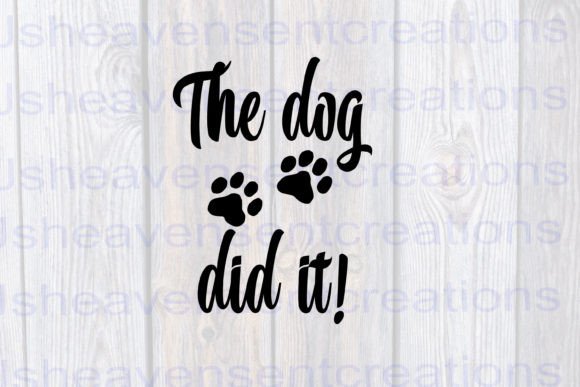
The Dog Did It feels like a snapshot of everyday chaos. The linework has a loose, expressive quality that reads as friendly and approachable rather than stiff or overly polished. This is not a design that tries to be elegant or minimalist. It is bold, slightly messy in the best way, and full of personality. The theme is universal enough to work for dog owners, pet sitters, or anyone who has ever blamed their pet for something. That kind of relatability is gold for a small business owner or handmade shop seller because it connects with customers on a personal level. The design sits naturally in the Crafts category, and the file type as Graphics means you are starting with a clean vector or high-resolution image, which gives you flexibility to resize, recolor, or adapt the artwork before converting it into a machine embroidery file.
From a designer perspective, the visual balance is solid. The main subject has enough weight to hold its own on a tote bag or the front of a sweatshirt, and the composition does not feel crowded. The negative space around the elements helps the design breathe, which is important when you are stitching it onto fabric. If the artwork were too dense or cluttered, the embroidery would lose clarity, especially at smaller sizes. Here, the proportions feel intentional, and the hand-drawn quality actually works in your favor because minor stitch variations will look like part of the style rather than a mistake.
Testing The Dog Did It on a Custom Tote Bag
I decided to test The Dog Did It on a heavy cotton tote bag for a real-use scenario. Tote bags are one of my best-selling items in my Etsy shop, and they are forgiving for testing new designs because the fabric is stable and the flat surface makes hooping simple. I converted the SVG file into a digitized embroidery file using my software, taking care to preserve the hand-drawn character of the lines. The first thing I checked was the stitch density. Because the original graphic has a sketch-like quality, I needed to make sure the satin stitches and fill stitches would not become too heavy or stiff. Over-digitizing a loose drawing can kill the charm, so I kept the stitch count reasonable and let the running stitches do the work of defining the edges.
The result was exactly what I hoped for. The design stitched out cleanly on the tote bag, and the slightly irregular linework looked intentional and artistic. The thread colors I chose matched the original PNG preview, but I also tested a monochrome version in black thread on natural cotton, and that version was even more striking. Customers tend to react well to designs that look like they were drawn by hand, especially when the subject is something as universally loved as dogs. I could see this design working well on a sweatshirt embroidery project or as an embroidered patch sewn onto a canvas apron. For a personalized gift, pairing the design with a name or small text underneath would be easy because the composition leaves room for customization.
Where The Dog Did It Performs Best
After stitching this design on several fabric types, I can say it performs best on medium to heavy fabrics where the stitch structure has room to settle. Cotton twill, denim, canvas, and sweatshirt fleece all gave excellent results. The design also worked well on a linen pillow cover, where the texture of the fabric added to the handmade feel. If you are making items for your small shop merchandise or for boutique branding, this design has a casual, everyday appeal that fits into a wide range of product categories. It could work on baby embroidery items if the subject is a family pet, but I would size it down carefully and test it on a onesie or receiving blanket before committing to a production run.
One area where this design really shines is in holiday embroidery projects. Because the theme is not tied to any specific season, you can stitch it onto a kitchen towel as a hostess gift, add it to a pillow cover for a pet lover, or embroider it onto a cap for a dog park outing. The design also works well for commercial embroidery purposes if you have a licensing agreement that allows production. I would recommend creating a few finished products, photographing them well, and using them as part of your printable mockup set for your online shop. The hand-drawn style photographs beautifully and gives your product listings an authentic, artisanal feel.
Where to Use This Design Carefully
No design is perfect for every application, and The Dog Did It has a few limitations you should keep in mind. The first is hoop size. If you try to stitch this design in a very small hoop, the fine details can become lost or muddy. I tested it in a 4x4 hoop at reduced size, and while it was still recognizable, the charm of the linework was not as clear as it was at a larger scale. For best results, use a hoop that lets the design sit at least four to five inches in its largest dimension. If you are planning to stitch it onto a baby onesie or a cap, test the scaled-down version on scrap fabric first to see if the stitch density holds up.
Thin or stretchy fabrics also require extra care. If you hoop a lightweight knit or a slippery fabric without proper stabilizer, the design can distort. I recommend using a cutaway stabilizer for garments that will be washed frequently, and a tearaway stabilizer for items that will not see heavy wear. Dark fabric is another consideration. The original graphic has a light, airy feel, so if you stitch it on black or navy, you may need to adjust thread colors or add a white underlay to keep the design visible. I tested it on a dark sweatshirt with bright thread, and the contrast was strong, but the stitch density felt heavier because of the underlay. Always check your thread color contrast before running a full production batch.
Curved surfaces like caps or the side of a tote bag add another layer of complexity. The design has a balanced shape that fits well on a flat surface, but when you try to hoop it on a cap front, the curve can distort the proportions. I would suggest using a curved hoop or a cap frame and testing the placement carefully. For layered garments like jackets or hoodies, make sure the design does not fall across a seam or a zipper, because the needle can skip or break in those areas.
Visual Appeal and Product Value
When you are selling handmade products, the design you choose directly affects how customers perceive your brand. The Dog Did It has a friendly, approachable personality that makes it easy to market. It does not feel generic. Customers who see this design on a sweatshirt or tote bag will recognize that it was made with care, and that perception translates into higher perceived value. I have found that designs with a clear narrative or a bit of humor tend to sell better because they give the buyer a story to share. A design that makes someone smile is more likely to be purchased as a gift, and giftability is a huge factor in the handmade market.
From a branding perspective, this design works well for a shop that wants to emphasize personality over perfection. If your business sells pet-themed merchandise, personalized gifts, or casual apparel, The Dog Did It fits naturally into your product lineup. It also works for crafters who create seasonal items or limited-edition runs, because the design does not feel dated after one season. The file format you receive as Graphics means you have the SVG and EPS files for resizing and the PNG for mockups, which is a practical advantage when you are building your product catalog. You can use the PNG to create a printable mockup for your Etsy listing before you even stitch the first item, which saves time and helps you gauge customer interest.
Practical Designer Notes for Embroidery Success
If you are planning to use The Dog Did It in your own embroidery projects, here are a few practical steps I recommend. First, test the design on scrap fabric before you stitch it on your final product. Use the same fabric type and stabilizer that you plan to use for the finished item. This test run will reveal any issues with stitch density, thread breaks, or tension problems before they ruin your production fabric. Second, check thread color contrast by pulling up a black and white mockup of the design. If the shapes blend together in grayscale, the design will likely be hard to read on a dark background. Adjust your colors accordingly.
Third, confirm your hoop size before digitizing or importing the file. The DXF and SVG files are vector-based, so you can scale them without losing quality, but scaling too small will compress the stitch details. I like to open the SVG in my editing software and preview it at the exact size I plan to stitch. Fourth, use the right stabilizer for your fabric. A medium-weight cutaway stabilizer works for most woven fabrics, and a lightweight tearaway stabilizer works for stable cottons. If you are stitching on a stretchy knit, use a cutaway stabilizer with a slight tack to prevent puckering. Finally, check the licensing terms for the design before you sell finished items. Since this product is listed under Crafts and the files are Graphics, you may have permission to use it for commercial projects, but always confirm with the seller. I recommend keeping a record of your license for each design you use in your business, especially if you sell through Etsy or at craft fairs.
Final Thoughts on The Dog Did It for Embroidery Projects
I have stitched dozens of designs on hundreds of products over the years, and The Dog Did It stands out as a design that understands its audience. It is not trying to be something it is not. It is playful, expressive, and full of character, and when you translate that into thread, the result feels genuine. For an Etsy seller or a small business owner looking for a design that connects with customers, this is a strong option. The file formats you receive give you the flexibility to create mockups, resize the artwork, and adapt it to different products. As long as you take the time to test your hoop size, fabric choice, and thread colors, this design will serve you well across tote bags, sweatshirts, pillows, towels, and more.
If you are a hobbyist making a gift for a dog lover, this design will be a hit. If you are running a commercial embroidery operation, this design can become a reliable part of your product lineup. The key is to respect the hand-drawn quality of the original art and let the stitching reflect that looseness rather than trying to force it into something too rigid. Embroidery is at its best when it captures the spirit of the design, and The Dog Did It has plenty of spirit to work with.