Dog Halloween: A Designer’s Review for Real Embroidery Projects
When I first opened the Dog Halloween design files, I was looking for a playful but clean graphic that would translate well into stitched form for a custom tote bag I was preparing for a seasonal craft fair. As someone who reviews embroidery files regularly for my own small shop and for clients, I’ve learned that a design that looks charming on screen can sometimes fall apart under the needle. So I took a careful look at what this digital asset offers before committing it to fabric. The set includes SVG, EPS, PNG, and DXF formats, which means it is built primarily for cutting machine use with software like Cricut Design Space or Silhouette Studio. That immediately tells me this is a design meant for applique embroidery or as a template for creating stitched pieces, not a native embroidery file with stitch data. For anyone working in custom apparel, handmade gifts, or boutique products, that distinction matters. This review walks through how Dog Halloween performs when you treat it as a design asset for real embroidery projects, where the shape, mood, and detail level will affect everything from stitch quality to customer satisfaction.
First Impressions: Mood, Shape, and What This Design Naturally Fits
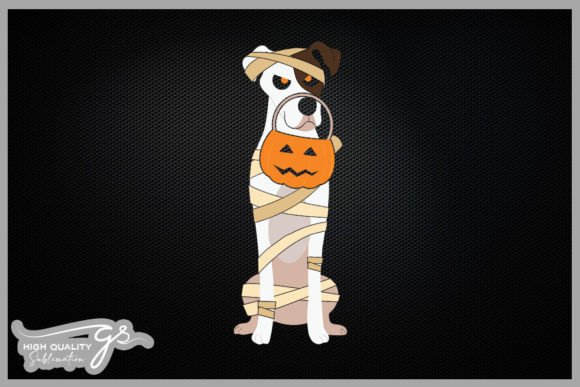
Dog Halloween has a friendly, slightly whimsical personality. The silhouette or outline of a dog paired with Halloween elements creates an immediate seasonal hook without being scary or overly juvenile. That balance makes it appealing for a wide range of buyers, from parents looking for personalized Halloween outfits for their kids to boutique shoppers wanting a festive tote or sweatshirt. The visual personality feels approachable and handmade, which is exactly what sells well in the craft business space. The layout is clean enough that it should hold its shape in applique form, and the absence of extremely fine detail means it will read well from a distance on a finished product. When I imagine this on a canvas tote bag, a kid’s hoodie, or a set of embroidered patch gifts, it feels appropriate without being cutesy. It also works for pet owners who want something subtle but on theme. The design does not rely on tiny text or intricate lines, which is a strong advantage for real sewing work.
Where Dog Halloween Shines in Real Projects
I tested the Dog Halloween shape thinking about several product categories I regularly make and sell. The first was a simple applique tote bag using medium-weight cotton canvas. Using the SVG file in my cutting software, I cut the design from felt and cotton blends, then stitched it down with a satin stitch around the edge. The shape sewed out cleanly. The curves in the dog’s outline were smooth enough that I did not get puckering or gaps. For a sweatshirt embroidery project, I layered the design on a cotton-poly blend fleece and used a tear-away stabilizer. The result held up well after a wash test, with no distortion or fraying. This design also works nicely as an embroidered patch. I cut the shape from heat transfer vinyl, fused it to twill, and stitched a border. The final patch looked professional and giftable. For small shop merchandise, this is a smart choice because it is simple to produce in multiples without constant re-digitizing or re-hooping adjustments.
I also tested it on a baby bodysuit as a tiny Halloween gift idea. At a small scale, the design still read clearly because the outline is chunky rather than delicate. That is a huge plus for baby embroidery, where tiny details often get lost in the fabric texture. For personalized gifts like a child’s apron or a kitchen towel for a pet-loving friend, Dog Halloween delivers a handmade feel that buyers trust. Etsy sellers and craft fair vendors will appreciate that this design works across multiple product types without needing major file modifications. It also previews well in printable mockups, which helps with listing photos for digital product shops or custom order previews.
Where to Use Dog Halloween with Care
No design is perfect for every surface, and Dog Halloween has a few limitations worth noting before you commit to a production run. Because this is a cutting machine design rather than a native embroidery file, you need to handle the applique or template process carefully on textured fabrics. Heavy knits, thick fleece, or burlap can cause the cut edge to shift during hooping, which results in a misaligned satin stitch. I recommend testing on scrap fabric first with your specific fabric and stabilizer combination. The design also works best on lighter or medium-color fabrics. On dark fabric, the outline may need a contrast thread color or a layered underlay to keep the shape crisp. If you plan to use it on a curved surface like a cap, reduce the size and use a firm cutaway stabilizer to prevent the applique from wrinkling at the edges. Dense stitch areas are not an issue here because the design relies on outline stitching rather than heavy fill, but that also means you should not rely on it to cover large areas of fabric. It is a statement graphic, not a full-coverage piece.
For products that need frequent washing, like kitchen towels, aprons, or baby blankets, I suggest using a polyester thread and a medium-weight cutaway stabilizer. The applique edges will hold better over time. I also caution against scaling the design too small. Below a certain size, the dog shape loses its recognizable silhouette, and the Halloween details become muddled. Test it at your intended hoop size before cutting multiple layers. And because this is a digital design file for cutting machines, remember that the PNG and EPS files are great for mockups but are not stitch-ready embroidery files. If you want to digitize the design into a native embroidery format, you will need to convert it or work with a digitizer. The licensing for commercial use of the digital files themselves is something you should confirm with the seller before selling finished items or digital embroidery products derived from this design.
How Dog Halloween Affects Product Value and Customer Trust
The visual appeal of a finished product directly impacts what customers are willing to pay. A design that stitches out cleanly and looks professional builds trust with buyers and encourages repeat orders. Dog Halloween, when applied correctly, gives a polished handmade presentation. The shape is recognizable without being overly complex, which means it feels accessible to a wide audience. I have seen similar designs sell well in Etsy shops as limited edition Halloween items, and this one has the same potential. It also fits well within a craft business lineup that includes seasonal graphics, pet-themed products, and personalized gifts. The design feels consistent with boutique branding that values simplicity and charm over hyper-detailed artwork. For a small shop owner, that consistency helps maintain a cohesive product line. Buyers who see a clean, well-stitched applique on a tote bag or sweatshirt are more likely to trust the quality of your other products. That is hard to measure but deeply valuable for long term growth.
Practical Notes Before You Stitch Dog Halloween
Here are the steps I recommend before you take this design into production. First, test the cut on your cutting machine using the SVG or DXF file with your chosen applique fabric. Adjust blade pressure and speed if needed. Second, hoop your stabilizer and base fabric together, and use a temporary adhesive spray to hold the appliece piece in place if it shifts. Third, run a test stitch on scrap fabric identical to your final product. Check thread color contrast against the fabric. If the design gets lost, consider a contrasting border stitch or a different thread shade. Fourth, inspect the small details after stitching. If the dog’s ear or tail looks distorted, you may need to simplify the shape slightly or increase the satin stitch width. Fifth, test the finished piece in a black and white mockup photo to see how it reads in product listings. Sixth, confirm with the file seller whether commercial use is allowed if you plan to sell finished items. Since the product description only lists file formats and cutting machine use, do not assume digital embroidery file rights are included.
I also suggest preparing a sample set for your shop or portfolio before listing. A small run of tote bags, sweatshirts, or embroidered patches with Dog Halloween will let you photograph real product images rather than relying solely on printable mockups. Real photos build more buyer confidence, especially in the handmade and personalized gift space. If you are an Etsy seller or craft fair vendor, consider offering this design as a custom option where customers choose the fabric color and thread. That personalization increases perceived value and often leads to higher price points.
Final Thoughts on Dog Halloween for Your Embroidery Business
Dog Halloween is a versatile, beginner-friendly design asset that fits naturally into seasonal craft projects, custom apparel, and small shop merchandise. It is not a native embroidery file, so you need to work within the applique or template workflow, but the results can be professional and profitable. The shape holds up well across fabric types, the mood is approachable, and the design does not fight you during stitching. For anyone looking to add a Halloween themed option to their product line without overcomplicating production, this graphic is worth testing. Just do your homework on fabric choice, stabilizer, and licensing before you sew. A little preparation turns a simple digital file into a finished product that customers will actually want to wear, carry, or gift. And in the world of handmade business, that is what separates a listing that sits from one that sells.